Resources

EXPLORE

molten metal level measurement
Why Is Accurate Molten Metal Level Measurement important in Steel Plants? 
Accurate molten metal level measurement is vital for maintaining stability, safety, and quality in modern steel plants. Even...
Calorific Value Estimation
Why Calorific Value Estimation of Alternate Fuels Matters in Cement Production 
Why Calorific Value Estimation of Alternate Fuels Matters in Cement Production Introduction Cement manufacturing is inherently...

About Us

Get to know who we are and what we stand for.

Discover what makes Ripik.AI uniquely effective.

Explore our culture, values, & work environment.

Find out what's making headlines from Ripik.AI

Ripik AI public event appearances worldwide

Success Stories

Industries

Low variability and Zero Downtime - Smarter Steel

Uniform Raw materials, Smarter Clinker, Healthier Kilns

Safe. Stable. AI Eyes on Every Batch.

Zero Downtime, High Yield, AI-Driven Vision

Powering Uptime with Visual Intelligence.

AI Agents for Smarter Industrial Ops

Products

Real-time camera intelligence to monitor materials, equipment, and processes, driving efficiency and consistency in industrial operations.

Hosts and manages hundreds of Vision AI Agents, enabling you to customize, deploy, and scale real-time monitoring solutions instantly across operations.

Curious how Vision AI fits into your operations?

Let us walk you through a tailored demo experience.

Industries

Low variability and Zero Downtime - Smarter Steel

Uniform Raw materials, Smarter Clinker, Healthier Kilns

Safe. Stable. AI Eyes on Every Batch.

Zero Downtime, High Yield, AI-Driven Vision

Powering Uptime with Visual Intelligence.

AI Agents for Smarter Industrial Ops

Resources

EXPLORE

molten metal level measurement
Why Is Accurate Molten Metal Level Measurement important in Steel Plants? 
Accurate molten metal level measurement is vital for maintaining stability, safety, and quality in modern steel plants. Even...
Calorific Value Estimation
Why Calorific Value Estimation of Alternate Fuels Matters in Cement Production 
Why Calorific Value Estimation of Alternate Fuels Matters in Cement Production Introduction Cement manufacturing is inherently...

About Us

Get to know who we are and what we stand for.

Discover what makes Ripik.AI uniquely effective.

Explore our culture, values, & work environment.

Find out what's making headlines from Ripik.AI

Ripik AI public event appearances worldwide

Success Stories

Products

Vision AI Agents

Real-time camera intelligence to monitor materials, equipment, and processes, driving efficiency and consistency in industrial operations.

Ripik Vision Platform

Hosts and manages hundreds of Vision AI Agents, enabling you to customize, deploy, and scale real-time monitoring solutions instantly across operations.

Curious how Vision AI fits into your operations?

Let us walk you through a tailored demo experience.

Glossary

AI Agents
Pipe Conveyor Belt Monitoring
Slag Monitoring System
Scrap Monitoring System
Flare Stack Monitoring

AI for Slag Detection

What is Slag?

Slag is a non-metallic byproduct generated during various stages of steelmaking, such as in the Blast Furnace (BF), Basic Oxygen Furnace (BOF), Electric Arc Furnace (EAF), converter, ladle, and many more. It forms when impurities from raw materials — including silica, alumina, phosphorus, sulfur, and ash — combine with fluxes like lime. This mixture floats on top of the molten steel because of its lower density, creating a separation layer between pure hot metal and impurities.

Why Is a Slag level Detection is Important in Steel Plants?

Slag level detection is critical in steel plants because it ensures cleaner steel, safer operations, and more efficient tapping. Accurate monitoring of the transition between slag and steel is essential for process control.

When slag levels are not monitored accurately, slag carryover can contaminate molten steel, increase defect rates, and raise refining costs. It also accelerates refractory wear, reducing equipment life and causing more frequent shutdowns. Additionally, inaccurate molten metal level readings increase the risk of overflows, bursts, and splashes—leading to safety hazards, equipment damage, and unplanned production stoppages. Reducing operator intervention through automated monitoring improves safety and efficiency.

Accurate slag level detection helps maintain process stability, reduce losses, and improve overall operational reliability. The advantages and benefits of slag level detection for the steel industry include supporting the ongoing process, meeting the increasing demand for high-quality steel, and ensuring safer, more efficient, and reliable operations.

Key Reasons:

  • Ensures cleaner steel and better product quality by preventing slag carryover and reducing defects.

  • Reduces operational costs by lowering refining needs, alloy corrections, minimizing hot metal losses, and reducing maintenance requirements.

  • Protects equipment and refractories, reducing corrosion, extending furnace life, and preventing damage from overflows or splashes.

  • Improves operational stability by avoiding unplanned stoppages and ensuring safer, more consistent tapping operations.

  • Customers benefit from improved reliability and reduced maintenance needs, ensuring efficient and dependable slag detection solutions.

Ripik AI Platform for Slag Level Monitoring System

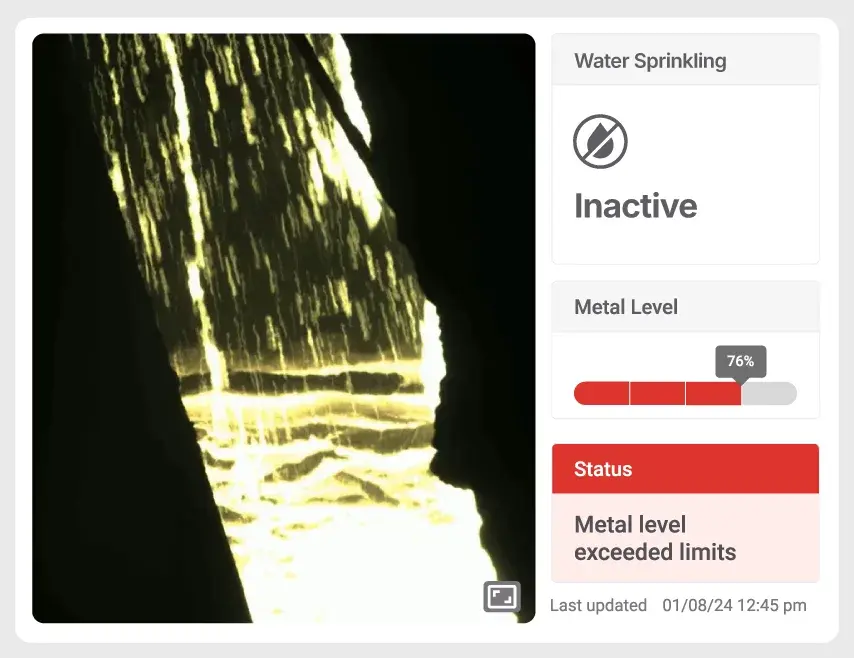
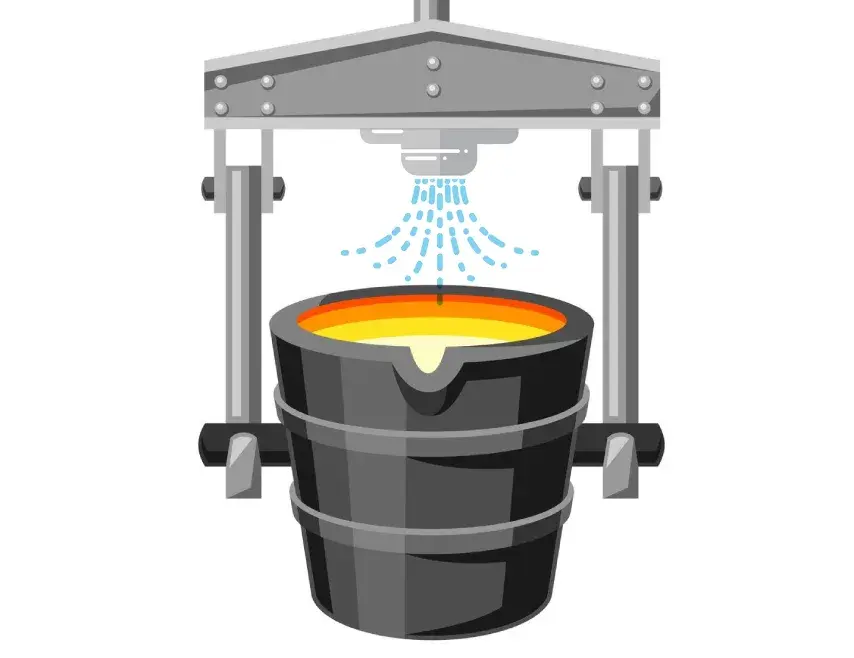
Ripik AI offers an advanced, AI-driven slag monitoring system that combines real-time slag level detection with programmable closed-loop water-sprinkler control, triggering instant alerts whenever levels exceed safe thresholds or automatically reduce inflow when required. Powered by cutting-edge computer vision, thermal imaging, and machine-learning analytics, it provides highly accurate image- and video-based slag identification even in challenging steel plant environments with smoke, dust, vibration, and fluctuating lighting. The system continuously monitors tapping conditions across EAF, BOF, and AOD operations to prevent unsafe situations, protect equipment, improve yield, and significantly reduce slag carryover.

Key Features

Slag Monitoring System

Specialized Hardware

Engineered with industrial-grade cameras, rugged edge processors, and high-temperature housings to operate reliably in extreme heat, dust, vibration, and low-visibility steel plant environments without performance degradation.

Slag Monitoring System

Real-time Slag Monitoring​

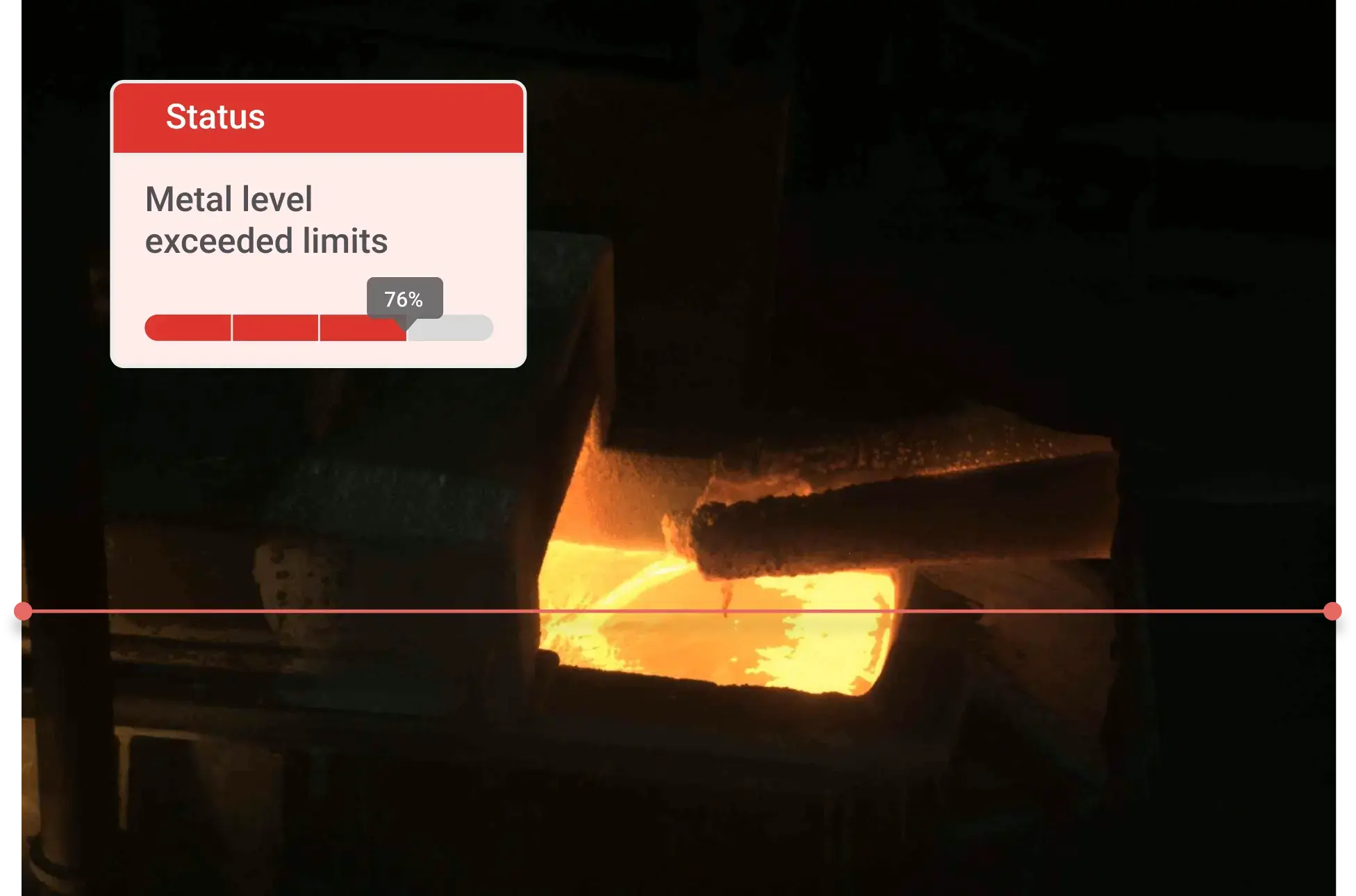
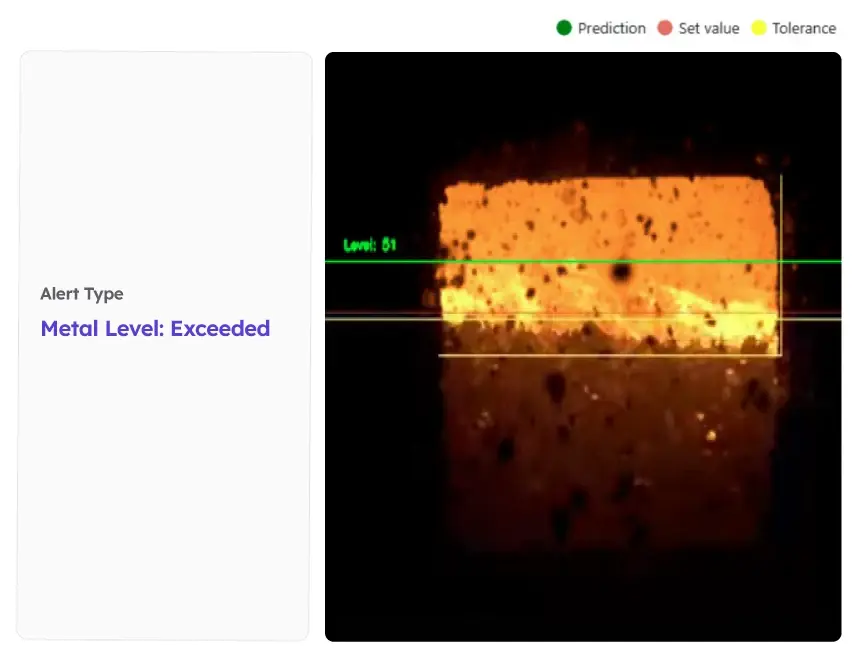
Uses an AI-powered vision system for real-time monitoring of molten flow, detecting slag onset, delivering accurate level views, zoomed monitoring, key parameters, and trend insights to support consistent, precise tapping decisions. The system distinguishes between steel and slag in real time to optimize tapping operations.

Closed-Loop Water-Sprinkler Control ​

Automatically adjusts water-sprinkler activation based on real-time molten level data, stabilizing furnace conditions, preventing unsafe level rise, and ensuring consistent operational safety across critical tapping stages.

Instant Alerts

Delivers real-time notifications with proactive overflow warnings sent via SMS, email, hooter, WhatsApp, or automated tap-stop triggers when slag levels exceed limits, reducing risks, improving operator response, and enhancing tapping consistency and safety.

Reports and Analytics

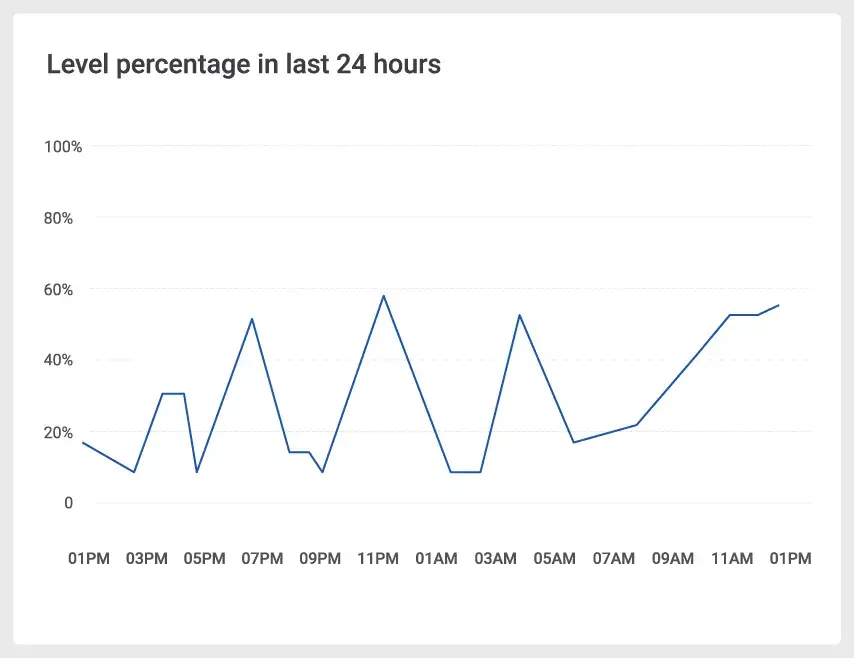
Generates detailed event logs, performance metrics, tap quality insights, and slag detection trends, enabling data-driven decision-making, process optimization, and continuous improvement across steelmaking operations.

Historical Video Feeds

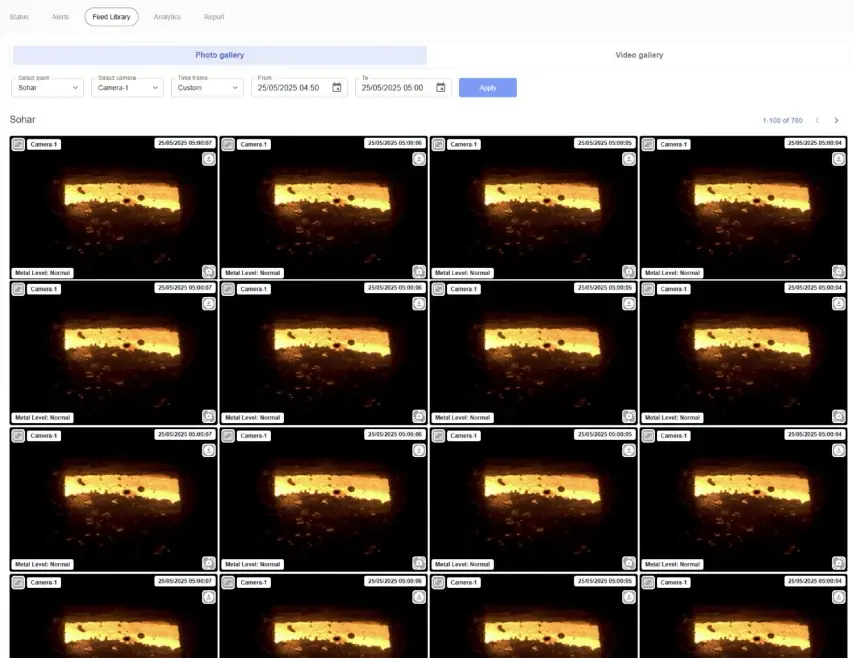
Stores recorded footage of tapping and slag events for review, training, safety audits, and troubleshooting, helping teams analyze issues, refine procedures, and strengthen operational reliability.

Key Impact of Steel Slag Detection System

  • Cleaner Steel Quality:Prevents slag carryover, reducing impurities and improving final product quality.

  • Higher Yield: Minimizes metal losses trapped in slag and ensures optimal tapping accuracy.

  • Lower Operational Costs: Cuts down on extra refining, alloy corrections, and reprocessing due to slag contamination.

  • Enhanced Equipment Life: Reduces refractory and tap-hole damage caused by corrosive slag.

  • Improved Plant Safety: Avoids overflows, splashes, and unsafe tapping conditions through precise real-time monitoring.

  • Stable and Consistent Operations: Standardizes tapping practices, minimizes human error, and improves furnace process stability.

  • Reduced Downtime: Prevents unplanned stoppages and equipment failures linked to poor slag control.

  • Better Decision-Making: Provides actionable insights, trends, and alerts for continuous improvement and operational optimization

Experience how Ripik Vision can leverage your business!

Empowering leading global enterprises through our exceptional platform​