Resources

EXPLORE

AI platforms for fire detection in raw material yard
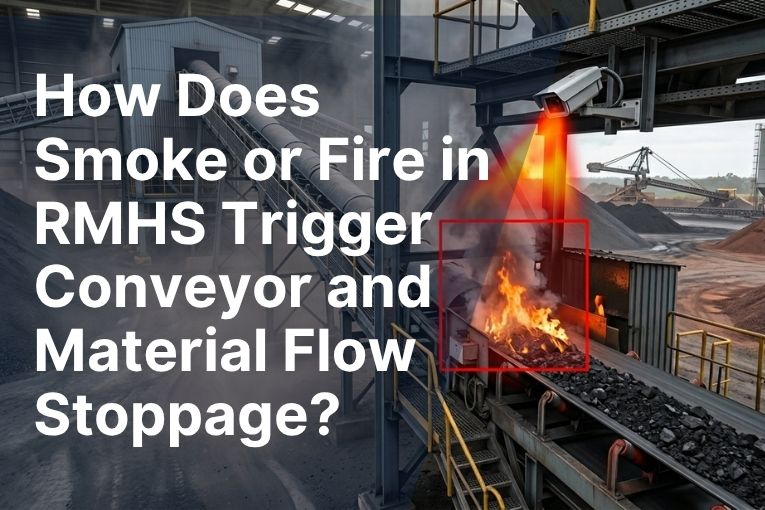
How Does Smoke or Fire in RMHS Trigger Conveyor and Material Flow Stoppage?
Fire and smoke incidents in the Raw Material Handling System (RMHS) represent a significant operational risk that can quickly...
Moisture analysis
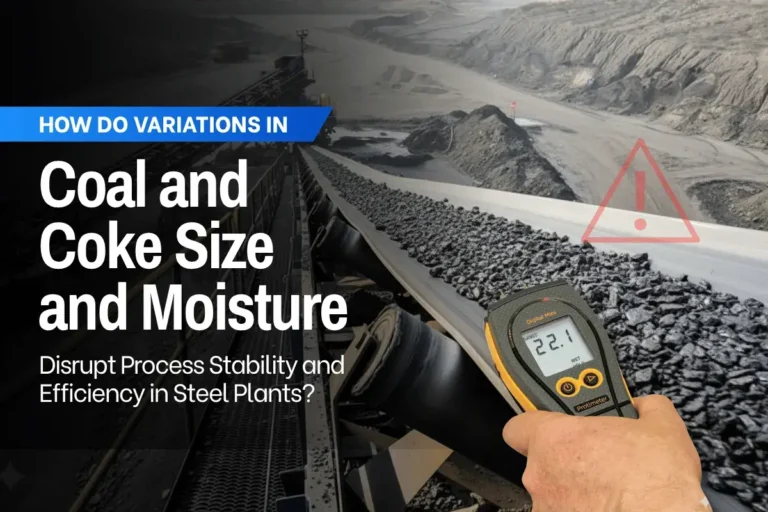
How Do Variations in Coal and Coke Size and Moisture Disrupt Process Stability and Efficiency in Steel Plants?
In modern steel plants, operational stability depends not only on equipment performance and automation but also on the consistency...

About Us

Get to know who we are and what we stand for.

Discover what makes Ripik.AI uniquely effective.

Explore our culture, values, & work environment.

Find out what's making headlines from Ripik.AI

Ripik AI public event appearances worldwide

Success Stories

Industries

Low variability and Zero Downtime - Smarter Steel

Uniform Raw materials, Smarter Clinker, Healthier Kilns

Safe. Stable. AI Eyes on Every Batch.

Zero Downtime, High Yield, AI-Driven Vision

Powering Uptime with Visual Intelligence.

AI Agents for Smarter Industrial Ops

Products

Real-time camera intelligence to monitor materials, equipment, and processes, driving efficiency and consistency in industrial operations.

Hosts and manages hundreds of Vision AI Agents, enabling you to customize, deploy, and scale real-time monitoring solutions instantly across operations.

Curious how Vision AI fits into your operations?

Let us walk you through a tailored demo experience.

Industries

Low variability and Zero Downtime - Smarter Steel

Uniform Raw materials, Smarter Clinker, Healthier Kilns

Safe. Stable. AI Eyes on Every Batch.

Zero Downtime, High Yield, AI-Driven Vision

Powering Uptime with Visual Intelligence.

AI Agents for Smarter Industrial Ops

Resources

EXPLORE

AI platforms for fire detection in raw material yard
How Does Smoke or Fire in RMHS Trigger Conveyor and Material Flow Stoppage?
Fire and smoke incidents in the Raw Material Handling System (RMHS) represent a significant operational risk that can quickly...
Moisture analysis
How Do Variations in Coal and Coke Size and Moisture Disrupt Process Stability and Efficiency in Steel Plants?
In modern steel plants, operational stability depends not only on equipment performance and automation but also on the consistency...

About Us

Get to know who we are and what we stand for.

Discover what makes Ripik.AI uniquely effective.

Explore our culture, values, & work environment.

Find out what's making headlines from Ripik.AI

Ripik AI public event appearances worldwide

Success Stories

Products

Vision AI Agents

Real-time camera intelligence to monitor materials, equipment, and processes, driving efficiency and consistency in industrial operations.

Ripik Vision Platform

Hosts and manages hundreds of Vision AI Agents, enabling you to customize, deploy, and scale real-time monitoring solutions instantly across operations.

Curious how Vision AI fits into your operations?

Let us walk you through a tailored demo experience.

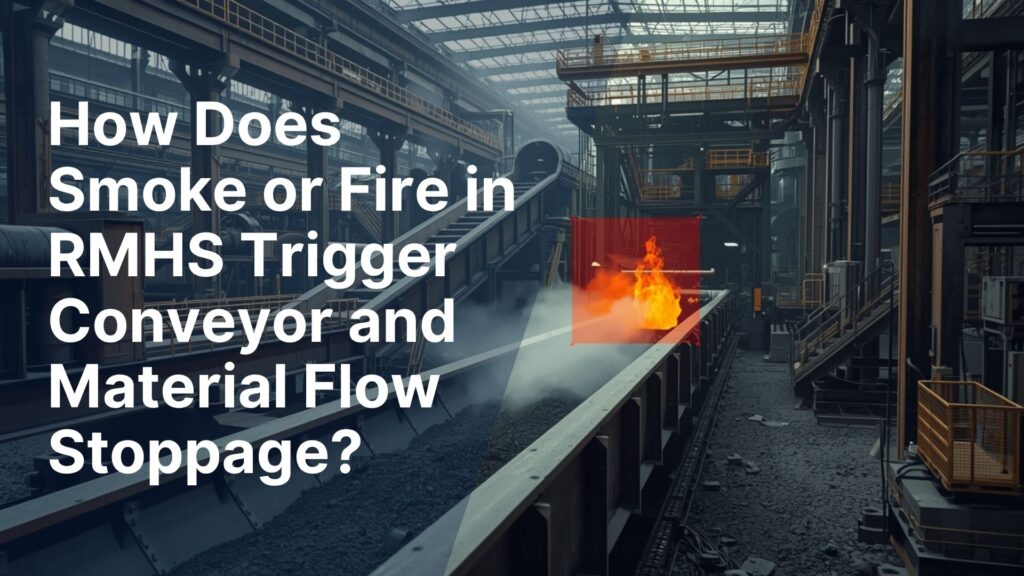
How Does Smoke or Fire in RMHS Trigger Conveyor and Material Flow Stoppage?

Introduction: The Hidden Operational Risk in Steel Plant Material Handling

AI Platforms for Smoke and fire detection in Raw Material Yard

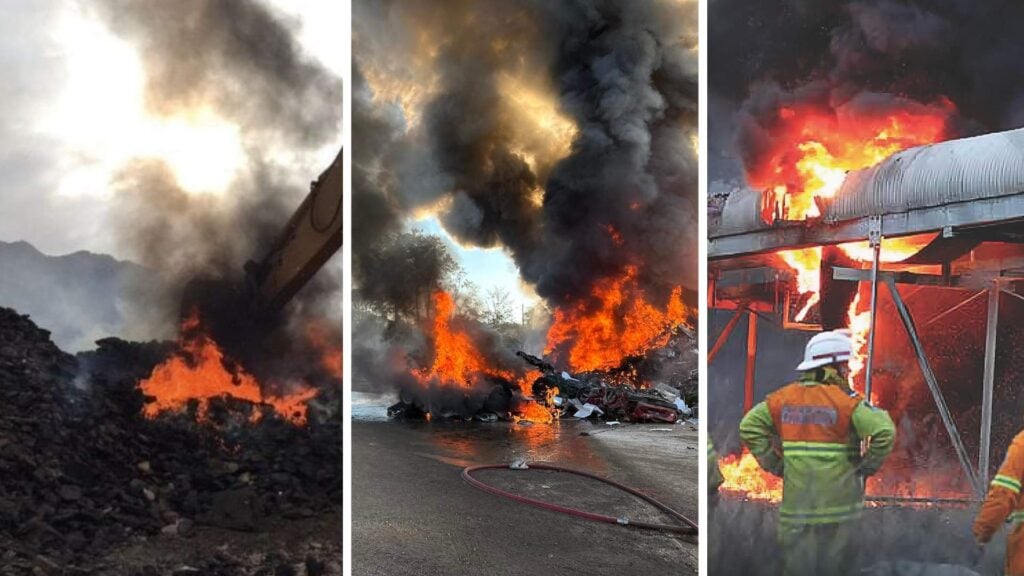
In steel plants, the Raw Material Handling System (RMHS) is the backbone of continuous production, ensuring a steady flow of coal, coke, sinter, and limestone to critical processes such as sintering and ironmaking. Every hour, thousands of tons of raw materials move through conveyors, crushers, transfer points, and stockyards in environments characterized by dust, friction, and continuous mechanical activity. These are harsh environments with significant fire risks due to the presence of flammable materials, and the risk of fire or smoke incidents remains a persistent operational concern. Small ignition sources—such as overheated bearings, belt misalignment, material spillage buildup, or spontaneous heating within stockpiles—regularly initiate fire incidents when not detected at an early stage.

What makes this risk particularly challenging is that even a small fire or smoke incident in the RMHS quickly escalates into a plant-wide operational disruption, directly impacting blast furnace stability, sinter plant productivity, raw material availability, and production targets. In recent years, multiple fire detection technologies have been widely deployed across raw material yards and conveyor networks to enhance safety coverage, particularly to strengthen fire detection in raw material yard operations where large volumes of combustible materials are stored and handled continuously. However, in harsh industrial environments, many of these systems lack sufficient accuracy and frequently generate false alarms or nuisance triggers even in the absence of an actual fire risk. This highlights the need for a proactive approach to fire detection and prevention in such challenging industrial settings. These false alarms lead to unnecessary conveyor stoppages, operational interruptions, and increased pressure on operations and maintenance teams.

Where Do Fire and Smoke Typically Originate in RMHS and Raw Material Yards?

Fire and smoke incidents in the Raw Material Handling System (RMHS) and raw material yards typically originate from specific high-risk locations where combustible materials, mechanical movement, and heat sources interact continuously, creating persistent fire hazards across material handling operations. These areas operate under demanding conditions—heavy material flow, dust accumulation, friction, and equipment wear—making them prone to ignition sources that develop into fire or smoke events. Large storage areas containing combustible materials are particularly susceptible to self-ignition, which can originate in both the surface layers and bottom layers of stockpiles. Identifying these common origin points is essential for designing effective fire detection and prevention strategies to effectively manage fire hazards in industrial material handling environments.

Key Areas Where Fire Detection Is Most Critical in RMHS

AI Platforms for Smoke and fire detection in Raw Material Yard

Conveyor Transfer Points

Conveyor Transfer Points handle continuous material discharge between conveyors and are often exposed to spillage buildup, friction, and dust accumulation. Common ignition sources at these locations include belt misalignment, seized or overheated rollers and bearings, accumulated material near idlers and pulleys, and hot material falling onto conveyor belts. These locations operate continuously and concentrate both combustible material and dust, allowing fire to spread rapidly along the conveyor system and increasing the risk of equipment damage and operational downtime.

Crusher Discharge Zones

Crusher Discharge Zones experience high mechanical stress and continuous material impact, which generate heat, sparks, and dust during operation. Common ignition sources include metal-to-metal contact inside crushers, foreign object impact generating sparks, overheated motors and bearings, and dust accumulation around discharge chutes. The combination of mechanical stress, high temperatures, and combustible dust increases fire risk, and incidents in the discharge zone disrupt both upstream crushing and downstream material handling operations.

Bunkers and Silos

Bunkers and Silos store concentrated volumes of combustible material in confined spaces where heat buildup, material blockage, and restricted airflow are common. Typical ignition sources include material blockage or bridging, friction during material discharge, entry of hot material into the bunker, and dust accumulation within enclosed storage areas. The confined nature of these structures limits heat dissipation and ventilation, increasing the chances of fire escalation if abnormal heating or smoke conditions are not identified promptly. Self-ignition often starts in the bottom layers or surface layers of stored materials, so continuous monitoring of these zones is essential for early fire detection and protecting stored materials from fire hazards.

Conveyor Galleries

Conveyor Galleries are enclosed structures where conveyor belts operate continuously in dusty environments, creating conditions where heat and combustible dust can accumulate over time. The main sources of ignition include overheated rollers and motors, belt slippage or mechanical failure, electrical faults within conveyor drives, and dust accumulation along the belt path. The enclosed nature of these galleries restricts ventilation and allows heat and smoke to build up quickly, enabling fire to spread along the conveyor system and requiring immediate shutdown for inspection and safe restoration of operations.

Coal and Coke Stockpiles

Coal and Coke Stockpiles are susceptible to internal heating and spontaneous combustion due to oxidation, moisture interaction, and long storage durations. Many large storage areas, including coal, coke, and paper stockpiles, are susceptible to self-ignition. Fires in these areas typically originate within the pile and remain unnoticed until smoke or elevated surface temperature becomes visible. Self-ignition in stockpiles often starts within the bottom layers due to temperature increases, making continuous monitoring of both surface layers and bottom layers essential for early detection and fire prevention. Common ignition sources include spontaneous heating within stockpiles, prolonged storage of material, poor compaction or ventilation, and exposure to hot material or sparks. The large volume and internal structure of stockpiles make early detection difficult and fire suppression more complex, increasing the likelihood of extended incidents and operational disruption.

Reclaimers and stackers

Reclaimers and Stackers operate continuously in raw material yards and involve large rotating components that generate friction and heat during material handling. Material spillage, equipment wear, and continuous operation increase the risk of localized overheating. Typical ignition sources include bearing or gearbox overheating, mechanical friction, material spillage near moving parts, and electrical component failure. Any fire incident in these zones interrupts raw material reclaiming and feeding operations, affecting yard productivity and material flow continuity.

Electrical panels

Electrical Panels supply power to conveyors, crushers, and other RMHS equipment, where continuous loading, aging components, and dust exposure increase the risk of overheating or faults. Common ignition sources include short circuits, overloaded cables, insulation degradation, and dust accumulation. Any fire incident in these panels requires immediate isolation of connected equipment, leading to operational interruption and downtime.

Cable tunnels

Cable Tunnels carry critical power and communication lines in enclosed environments where heat and smoke movement is restricted. Typical ignition sources include cable insulation failure, electrical overheating, short circuits, and accumulated dust or debris. Confined tunnel conditions allow fire and smoke to spread rapidly along cable routes, potentially affecting multiple operational units and increasing downtime risk.

Why Fire Detection in Raw Material Yard Is Important

Raw Material Yards Are High Fire-Risk Zones

Raw material yards store large volumes of combustible materials such as coal, coke, biomass, and scrap, which inherently increases fire risk. Large stockpiles generate heat, dust, and friction during storage and handling, creating conditions where ignition sources develop over time. The presence of fuel, oxygen, and heat in these environments makes raw material yards one of the most fire-prone areas in a steel plant, highlighting the critical need for reliable fire detection in raw material yard operations to monitor large storage areas continuously and identify early signs of abnormal heating.

Early Fires Often Go Undetected

Spontaneous combustion within stockpiles is a recognized risk in bulk material storage, particularly for coal and coke. Heat buildup occurs internally within the material mass, while smoke and temperature changes remain concealed from surface observation. Manual inspection and periodic monitoring do not provide continuous visibility, allowing early-stage fire conditions to persist until escalation becomes visible. This is why advanced stockpile fire detection systems are essential for identifying internal hotspots and temperature rise before visible smoke or flame appears.

Yard Fires Can Stop Material Flow and Production

Fire or smoke incidents in the raw material yard require immediate operational response, including inspection, isolation of affected equipment, and temporary interruption of material handling activities. Any disruption in yard operations directly affects the supply of raw materials to downstream units such as sinter plants and blast furnaces. This interruption impacts production stability, throughput, and overall process continuity, particularly when incidents occur along conveyor networks, where reliable fire detection in conveyor system infrastructure is necessary to prevent fire propagation and unplanned shutdown of interconnected material handling equipment.

Equipment Damage and Downtime

Uncontrolled fire or prolonged overheating damages critical equipment such as conveyors, stackers, reclaimers, bunkers, and transfer points. Equipment failure requires shutdown for repair, inspection, and replacement of damaged components, increasing maintenance workload and extending downtime duration. Early detection significantly reduces the severity of damage and supports faster restoration of normal operations, especially through targeted bunker fire detection and conveyor monitoring systems that protect high-risk storage and transfer zones.

Worker Safety and Emergency Response

Early identification of fire or smoke conditions enables timely alerts to operations and safety teams, allowing controlled response and safe management of the incident. Rapid detection reduces worker exposure to smoke, heat, and potential explosion hazards commonly present in raw material handling environments. Reliable fire detection systems across yards, conveyors, bunkers, and stockpiles support structured emergency procedures and safer working conditions.

Compliance and Insurance Risk

Industrial facilities are required to maintain effective fire safety systems to meet regulatory, audit, and insurance requirements. Reliable fire detection in raw material yard and material handling systems demonstrates proactive risk management and supports documentation of safety controls during inspections. Maintaining proper detection systems reduces operational risk exposure and strengthens compliance with industrial safety standards.

Continuous Plant Operations

Continuous raw material supply is essential for maintaining stable production in steel plants. Fire incidents in the yard interrupt material handling schedules, delay feeding operations, and affect downstream processing units. Integrated stockpile fire detection, fire detection in conveyor system, and bunker fire detection solutions support uninterrupted material flow, protect production schedules, and strengthen overall plant reliability and operational resilience.

Why Traditional Detection Methods Are Often Not Enough

Limitations of Conventional Systems

Traditional fire detection systems in raw material handling environments rely heavily on point-based sensors and periodic manual inspection. While these systems provide basic protection, their performance is often constrained by the harsh operating conditions typical of steel plants, such as heavy dust, vibration, temperature variation, and large monitoring areas. These limitations reduce detection reliability and delay response to developing fire risks.

Reduced Screening and Size Separation Efficiency

Moist coal and coke tend to adhere to screen surfaces and each other, reducing screening efficiency and making accurate size classification difficult. This results in improper size segregation, where oversized or undersized particles pass through screening systems, causing inconsistent feed quality to coke ovens, boilers, and other process units. Moisture values are often reported on an as-received basis, reflecting the condition of coal as it enters the plant and influencing screening outcomes.

Delayed Detection

Conventional sensors typically respond only after temperature rises beyond predefined thresholds or visible smoke is generated. By the time these conditions are detected, heat buildup or fire development has already progressed, increasing the likelihood of equipment damage and operational interruption.

Limited Coverage

Fixed detectors monitor specific points or small zones, leaving large sections of conveyors, stockpiles, and transfer areas without continuous visibility. In extensive raw material yards and long conveyor networks, this limited coverage creates detection gaps where fire risks remain unnoticed.

False Alarms

Dust, vibration, and fluctuating environmental conditions frequently interfere with sensor performance in industrial settings. These disturbances trigger nuisance alarms even in the absence of an actual fire, leading to unnecessary inspections, operational interruptions, and reduced confidence in detection systems.

Manual Dependency

Many facilities continue to depend on operator patrols and visual inspection to identify abnormal conditions. Manual monitoring is intermittent and subject to human limitations, making it difficult to detect early-stage fire risks in large, continuously operating material handling systems.

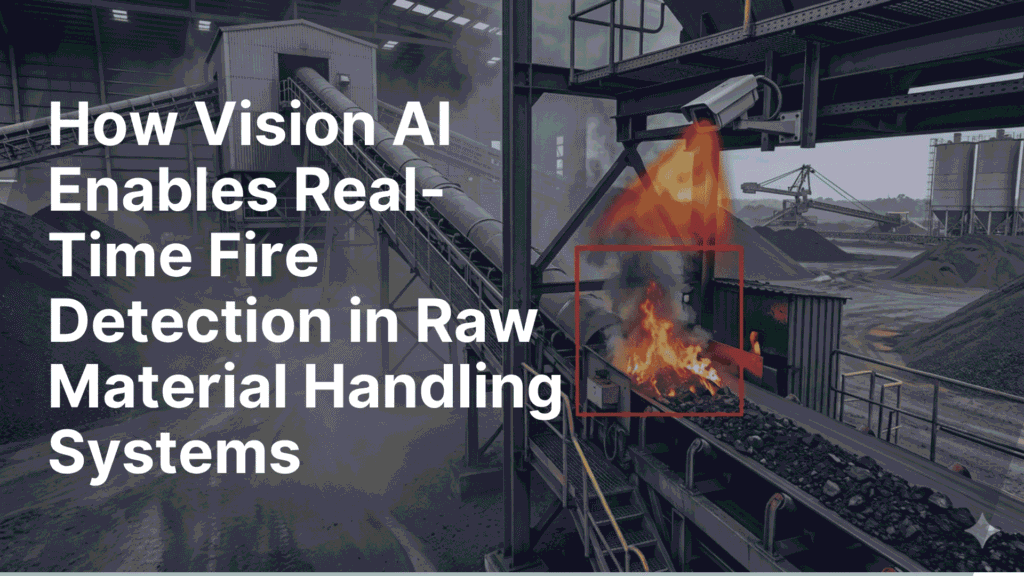
How Vision AI Enables Real-Time Fire Detection in Raw Material Handling Systems

AI Platforms for Smoke and fire detection in Raw Material Yard

Eliminating Blind Spots with Continuous 24/7 Monitoring

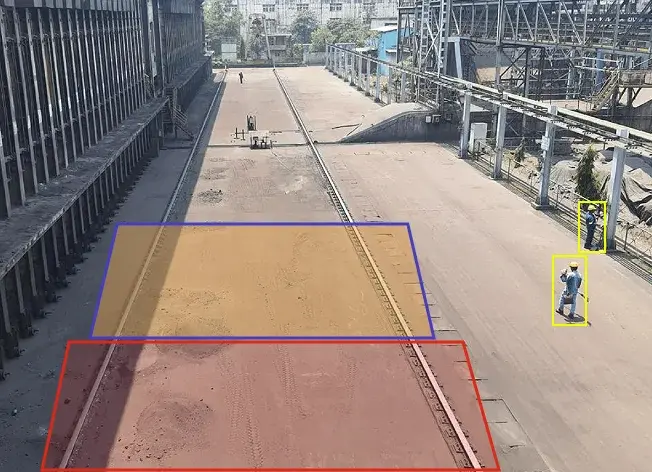
Vision AI platforms deploys industrial and infrared cameras across conveyors, transfer points, stockpiles, and bunkers to provide uninterrupted monitoring of large and distributed RMHS areas. Thermal imaging cameras are specifically designed for continuous monitoring of large storage areas and can provide automated alerts when temperature thresholds are exceeded. Video imaging smoke detection systems analyze pixel brightness and movement patterns to identify smoke or flames in video feeds, enabling early recognition of abnormal visual signatures before fire escalation occurs. Continuous visual and thermal coverage removes reliance on periodic manual inspections and enables consistent visibility across high-risk storage areas. The system performs constant monitoring and reporting, ensuring that abnormal heat or smoke conditions are identified without gaps in surveillance.

Detecting Smoke, Hotspots, and Heat at the Earliest Stage

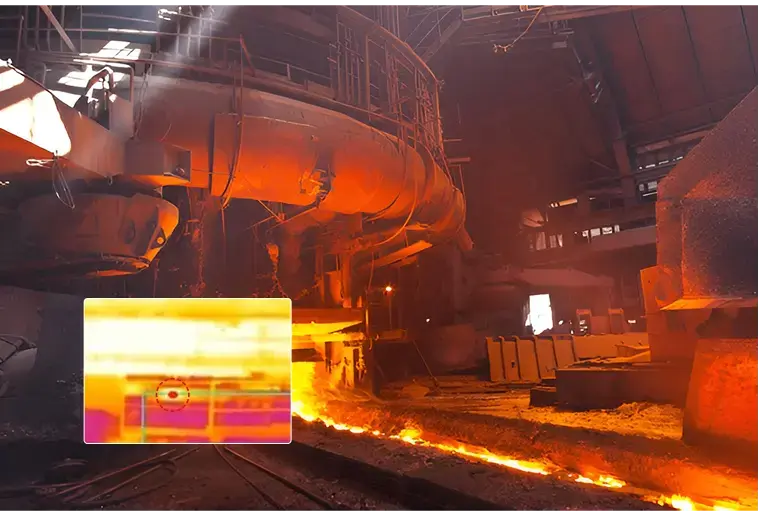
Vision AI uses advanced analytics and IR camera-based thermal monitoring to detect hotspots, abnormal temperature rise, and early smoke signatures before visible fire escalation occurs. Early fire detection and fast detection are achieved through the use of infrared thermography, which uses thermal cameras to map surface temperature and identify hot spots before smoke or flames are visible. AI-driven pattern analysis continuously evaluates temperature trends and operating conditions to identify developing risks at an early stage. This early-stage detection supports timely intervention and reduces the likelihood of fire spread and equipment damage.

Triggering Real-Time Alerts for Faster Emergency Response

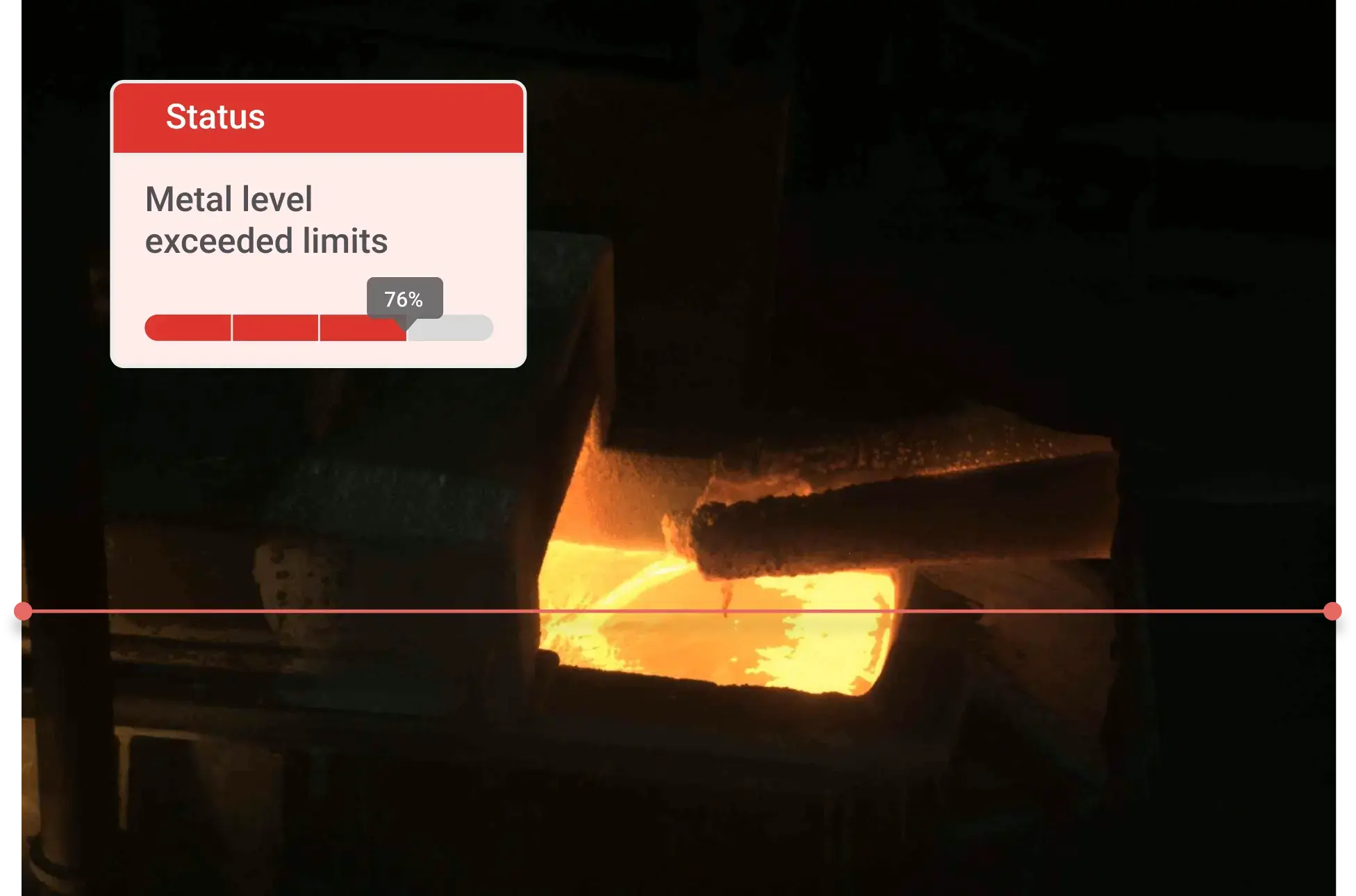
When abnormal heat, smoke, or flame conditions are detected, the system automatically triggers real-time alerts to the control room and maintenance teams, enabling rapid inspection and targeted response in the affected area. Continuous monitoring combined with instant notification improves response efficiency and supports safer operations during critical incidents. Advanced pattern recognition and multi-parameter verification further enhance detection reliability, maintaining very low false alarm rates even in dusty, high-vibration industrial environments. With high detection accuracy—often reaching around 95% reliability under real industrial operating conditions—the system supports stable material handling operations while reducing unnecessary conveyor stoppages, manual inspections, and production disruptions.

Integrating Directly with Conveyor Shutdown and Safety Interlocks

Vision AI integrates with existing PLC and SCADA systems, enabling automated coordination with plant safety infrastructure. Upon detection of a verified fire risk or critical hotspot, the system initiates alarms and supports controlled operational response, including conveyor isolation or activation of suppression measures. This integration prevents fire propagation across interconnected material handling equipment.

Monitoring High-Risk Zones Across the Entire RMHS

Vision AI systems provide targeted coverage of the most fire-prone areas in raw material handling operations. Specialized fire detection systems must withstand harsh environmental conditions such as dust, wind, vibration, and varying light levels to ensure reliable performance. Key high-risk zones requiring continuous monitoring include:

  • Conveyor belts and transfer points

  • Crusher and screening units

  • Raw material stockpiles and yards

  • Bunkers and silos

  • Stacker and reclaimer zones

  • Conveyor galleries and tunnels

  • Waste bunkers and storage areas containing combustible materials

Continuous thermal and visual monitoring across these zones enables early identification of abnormal conditions, supporting timely intervention and reducing the risk of fire escalation, equipment damage, and operational disruption.

Identifying Fire Risks Before Ignition Through Pattern Analysis and Continuous Reporting

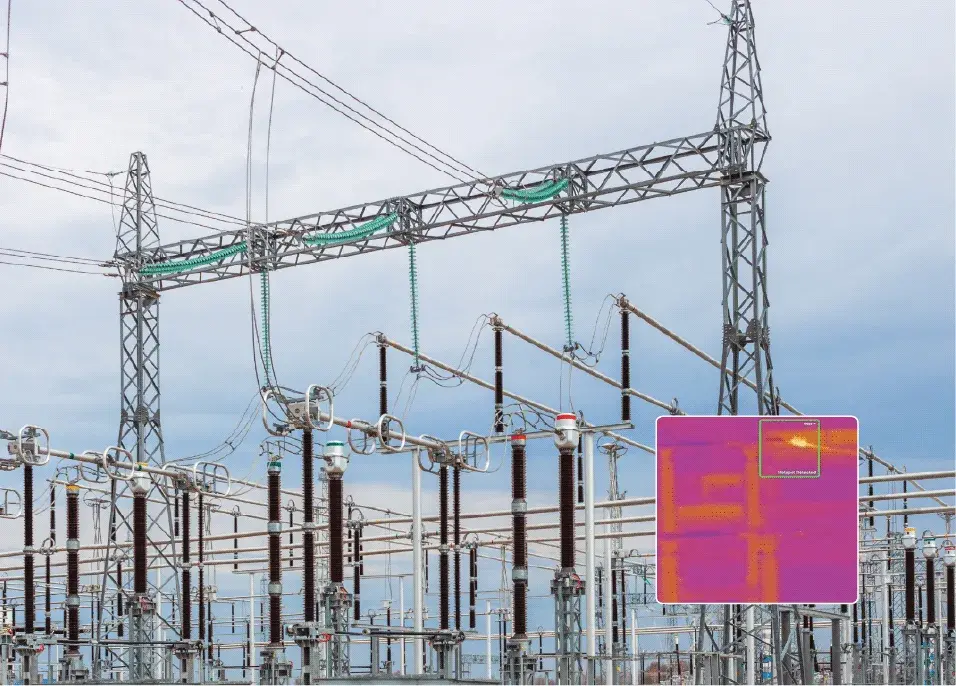
Vision AI continuously tracks equipment behavior and thermal patterns to identify early warning signs before ignition occurs. The system detects indicators such as overheated rollers or bearings, belt misalignment and friction, material spillage accumulation, and localized temperature rise in stockpiles. Through constant monitoring, automated reporting, and audit-ready records, the platform supports proactive maintenance planning and strengthens fire risk management across the raw material handling system.

Impact of Early Detection Prevents Conveyor and Production Stoppage

Reducing Unplanned Production Downtime

Early detection prevents fire escalation that forces conveyor and process shutdown. Faster response enables quicker inspection, controlled intervention, and timely restart of operations. Maintaining stable raw material flow to furnaces and downstream processes minimizes production interruptions and protects overall plant throughput.

Preventing Equipment Damage and Costly Repairs

Timely fire detection identifies abnormal heat or smoke before the incident spreads to critical assets such as conveyors, crushers, and electrical systems. Early intervention reduces the risk of belt burn, structural damage, and motor failure, extending equipment life and lowering maintenance and replacement costs while protecting high-value industrial assets.

Improving Worker Safety and Emergency Preparedness

Reliable fire detection provides early warning for evacuation and coordinated emergency response. Faster identification of fire conditions reduces worker exposure to smoke, fire, and explosion hazards commonly present in material handling environments. This structured response improves workplace safety and reduces the likelihood of injury during fire incidents.

Maintaining Continuous Material Flow and Process Stability

Consistent fire monitoring prevents sudden stoppage of conveyors and material handling systems by enabling early inspection and targeted corrective action. Continuous availability of raw materials supports the stable operation of blast furnaces, sinter plants, and mills, reducing operational disruptions across interconnected production processes and improving overall plant reliability.

Lowering Fire-Related Operational and Financial Risk

Early detection reduces the likelihood of major fire incidents and associated operational losses. Minimizing emergency maintenance, equipment damage, and extended downtime protects production schedules and operating margins. Effective fire detection strengthens financial stability by reducing exposure to unexpected operational costs.

Supporting Regulatory Compliance and Insurance Requirements

Industrial fire detection systems help facilities meet fire safety regulations, audit standards, and risk management requirements. Demonstrating reliable detection and monitoring practices supports compliance documentation and improves readiness for safety inspections. Strong fire risk control measures also enhance the plant’s insurance profile and reduce compliance-related risk.

Enabling Faster Incident Response and Fire Containment

Real-time detection enables rapid identification of fire location, allowing operations and safety teams to respond quickly with targeted suppression and containment measures. Early intervention limits fire spread across conveyors and material handling infrastructure, reducing incident severity and shortening recovery time.

Strengthening Overall Plant Reliability and Business Continuity

Reliable fire detection protects critical operations from unexpected disruptions and supports stable production planning. Continuous monitoring of high-risk areas enhances the resilience of material handling and production systems, making fire detection a fundamental component of plant reliability and long-term business continuity.

Conclusion
Fire and smoke incidents in the Raw Material Handling System (RMHS) represent a significant operational risk that can quickly disrupt material flow, damage critical equipment, and impact production stability in steel plants. Implementing reliable fire detection across high-risk areas—including raw material yards, conveyor systems, stockpiles, and bunkers—enables early identification of abnormal conditions, faster response to developing hazards, and prevention of fire escalation. Ultimately, proactive fire detection supports continuous plant operations, protects assets and personnel, and strengthens overall plant reliability and business continuity.

Vision AI Platform for Industry

Our latest blogs

Insights and perspectives from Ripik.ai's thought leaders

AI Agents in Action

Meet the rest of our AI agents

A powerful suite of intelligent agents working in sync to transform manufacturing with speed, precision, and autonomy.

Experience how Ripik Vision can leverage your business!

Empowering leading global enterprises through our exceptional platform​