


Zero Downtime, High Yield, AI-Driven Vision
Zero Downtime, High Yield, AI-Driven Vision
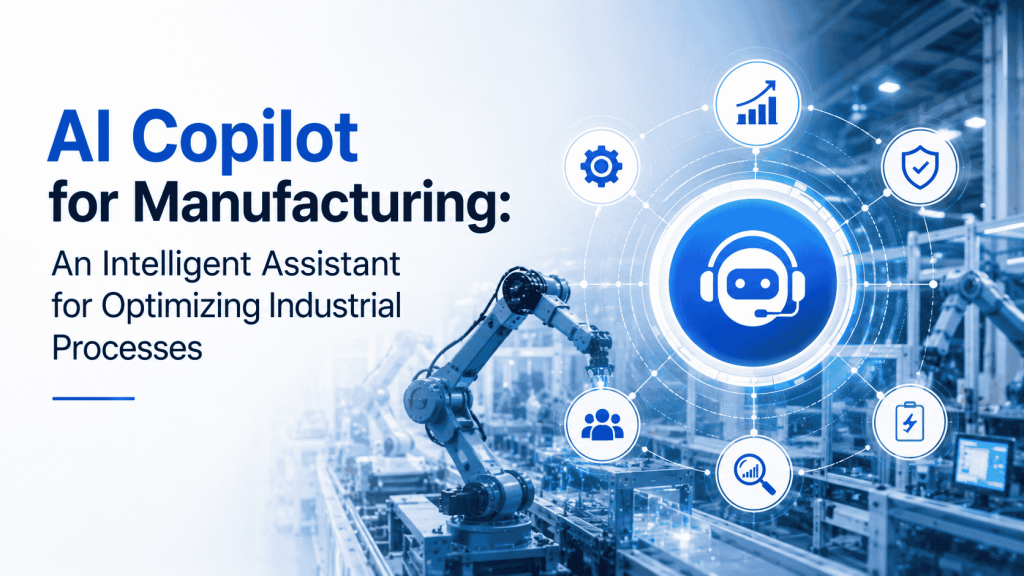
Modern manufacturing plants are operating in an environment that is far more complex than ever before. Industries such as steel, cement, thermal power, mining, and metals are continuously under pressure to improve productivity, reduce costs, stabilize operations, enhance sustainability, and maintain product qualityall while dealing with fluctuating raw materials, changing operating conditions, and increasing operational risks. At the same time, Industrial plants generate massive amounts of real-time data through sensors, cameras, PLCs, and SCADA systems, but many operations still rely heavily on manual decision-making and operator experience. This often leads to process instability, energy inefficiency, production losses, equipment failures, quality inconsistencies, and data overload for operators and engineers.
This is where AI Copilot for Manufacturing is emerging as a transformative solution. An AI Copilot is not designed to replace plant operators or process engineers; instead, it acts as a human-centric intelligent assistant that continuously analyzes industrial operations, identifies hidden patterns, predicts process deviations, and recommends corrective actions in real time. In simple terms, AI performs the analysis and generates recommendations, while humans remain in control and take the final actions. The result is a powerful collaboration between human expertise and artificial intelligence that enables smarter, faster, and more efficient industrial operations.
An AI Copilot for Manufacturing is an AI-powered assistant that seamlessly integrates with your existing industrial systems, understands the context of your operations, and helps your plant and production team to monitor, analyze, and optimize manufacturing operations in real time. Acting as a Manufacturing Copilot, it extracts data from the existing system such as sensors, PLCs, SCADA systems, industrial cameras, historians, laboratory systems, quality databases, MES, ERP platforms, and other plant applications to create a unified view of operations. By leveraging Industrial AI, machine learning models, cloud technologies, advanced analytics, and generative AI, the copilot continuously analyzes operational data to identify issues, predict process deviations, uncover hidden patterns, and recommend corrective actions before they impact production.
The primary goal of an AI Copilot s to act as a digital operational advisor that transforms plant data into actionable intelligence. It continuously monitors equipment performance, process conditions, quality metrics, and production KPIs, surfacing critical insights that enable faster and more informed decision-making. While the AI performs the heavy lifting of analyzing large volumes of data, generating predictions, and recommending actions, operators and engineers remain in control of evaluating recommendations and making final decisions.
By combining artificial intelligence with human judgment, AI Copilot for Manufacturing helps industrial organizations improve process stability, increase production efficiency, reduce energy consumption, minimize operational losses, and capture valuable operational knowledge across the plant.
As technology continues to evolve, organizations are accelerating their digital transformation initiatives by moving beyond traditional automation toward more intelligent systems that can support or even perform decision-making. While Automation, Autopilot, and AI Copilot all aim to improve efficiency and overall productivity, they differ significantly in how they operate. Understanding these differences is essential for organizations looking to adopt the right level of intelligence and operational support.
Automation refers to the use of predefined rules, workflows, and control logic to perform repetitive tasks automatically. It is designed to execute specific actions when certain conditions are met, reducing the need for manual intervention. However, automation can only operate within the boundaries of the rules it has been programmed to follow and typically cannot adapt to unexpected situations on its own.
Autopilot is an AI-driven system that continuously monitors operating conditions, makes decisions, and automatically executes actions to optimize performance. Unlike traditional automation, it can adapt to changing conditions in real time with minimal or no human intervention.
AI Copilot is an AI-powered decision support system that continuously analyzes data, understands operational context, and provides real-time insights and recommendations. Unlike an autopilot, it does not execute actions automatically; instead, it assists users in making faster, more accurate, and informed decisions while keeping humans in control.
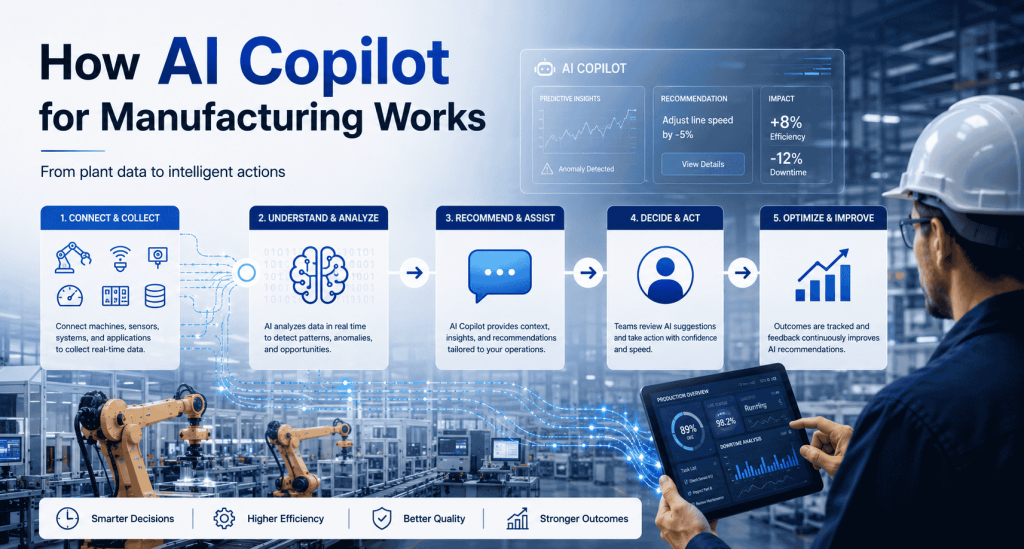
Imagine having a manufacturing expert who never sleeps, one that constantly monitors operations, analyzes thousands of data points in real time, identifies potential issues before they occur, and provides actionable recommendations exactly when they're needed. That's essentially what an AI Copilot brings to the factory floor.
Rather than operating as another standalone software application, an AI Copilot works as an intelligent layer across the manufacturing ecosystem, connecting data, people, and processes to enable smarter and faster decision-making.
Every manufacturing facility generates vast amounts of data from machines, production lines, sensors, quality systems, maintenance platforms, and enterprise applications. However, this information often exists in silos, making it difficult to gain a complete picture of operations.
An AI Copilot bridges these silos by integrating with existing systems such as:
MES (Manufacturing Execution Systems)
ERP platforms
SCADA and PLC systems
IoT sensors and connected assets
Quality management systems
Maintenance and asset management platforms
By bringing these data sources together, the copilot creates a unified view of plant operations and can integrate digital twin software to simulate operations before implementation.
Once connected, the AI Copilot continuously monitors operational data flowing across the plant. It doesn't just collect information—it interprets it.
As production runs, the system tracks equipment performance, process stability, quality metrics, throughput, downtime events, and resource utilization. Advanced analytics help identify anomalies, emerging bottlenecks, and operational risks before they impact production.
Instead of waiting for end-of-shift reports, teams gain immediate visibility into what is happening right now and receive real time feedback that can provide real time feedback to the shop floor. These insights simplify data analysis through conversational queries that generate charts for supervisors or engineers.
This is where AI delivers its greatest value.
Using machine learning, predictive analytics, and generative AI, the copilot analyzes patterns across millions of data points to uncover insights that would be difficult for humans to identify manually.
For example, rather than simply reporting a drop in production output, the AI can determine that the issue is linked to machine vibration, material variability, and a recent process change—all within seconds.
The result is actionable intelligence rather than raw data.
One of the biggest advantages of an AI Copilot is that users don't need to be data scientists or analytics experts to benefit from it.
Operators, engineers, and plant managers can interact with the system using simple natural language questions such as:
Why did OEE decrease during the last shift?
Which production line is at risk of downtime?
What caused today’s quality deviation?
How can we improve throughput on Line 2?
Which assets require immediate attention?
The AI instantly retrieves relevant information, analyzes the context, and delivers clear, actionable responses.
Identifying problems is only half the challenge. The real value lies in knowing what to do next.
Based on its analysis, the AI Copilot provides recommendations tailored to the current operating conditions. These may include:
Adjusting process parameters to improve yield
Prioritizing maintenance activities
Reallocating production resources
Optimizing production schedules
Reducing energy consumption during peak period
This empowers teams to make faster, more informed decisions with greater confidence.
Unlike traditional software, AI Copilots become smarter as they gain more operational context.
Every production cycle, maintenance activity, quality event, and operational decision provides additional learning opportunities. Over time, the AI continuously refines its models, improves prediction accuracy, and delivers increasingly relevant recommendations.
This creates a cycle of continuous improvement where every interaction contributes to better operational performance while reducing routine tasks for workers and allowing more focus on training.
At its core, an AI Copilot follows a simple but powerful workflow:
By transforming fragmented manufacturing data into real-time intelligence and actionable recommendations, AI Copilots help manufacturers move beyond reactive operations and toward a future of predictive, intelligent, and increasingly autonomous manufacturing.
An AI Copilot acts as an intelligent operational partner, helping manufacturers move from reactive decision-making to predictive and autonomous operations. By combining real-time data, advanced analytics, machine learning, and generative AI, AI Copilots empower plant personnel to optimize performance, improve quality, and drive operational excellence.
Manufacturing operations generate thousands of data points every second, from machine sensors and production systems to quality and maintenance records. The challenge is not collecting data—it's making sense of it in time to take action.
An AI Copilot continuously analyzes real-time operational data to provide a live understanding of what's happening across the plant. Instead of waiting for reports or manually investigating issues, operators receive immediate insights into performance deviations, emerging bottlenecks, and production risks.
Key capabilities include:
Continuous monitoring of production and equipment performance
Real-time anomaly detection and alerting
Unified visibility across MES, ERP, SCADA, and IoT systems
Live tracking of KPIs such as OEE, throughput, and downtime
When equipment failures, quality deviations, or production disruptions occur, identifying the root cause can take significant time and effort. Multiple variables may contribute to a single issue, making manual investigation both complex and resource-intensive.
AI Copilots accelerate root cause analysis by correlating data across machines, processes, materials, and environmental conditions. Instead of simply reporting what happened, they help explain why it happened.
Key capabilities include:
Automated investigation of operational incidents
Correlation of events across multiple systems
Identification of hidden process dependencies
AI-driven diagnostic recommendations
Faster resolution of recurring issues
Traditional manufacturing processes often rely on historical reports and operator experience to drive improvements. AI Copilots take a more proactive approach by predicting process outcomes and recommending adjustments before problems occur.
By analyzing historical and real-time production data, AI models can identify the conditions that lead to optimal performance and continuously guide operations toward those targets. In some cases, manufacturers report throughput gains of up to 600% using AI solutions. This enables manufacturers to improve yield, reduce waste, and maintain consistent quality even as production conditions change.
Key capabilities include:
Prediction of process and production outcomes
Optimization of operating parameters
Yield and quality forecasting
Dynamic recommendations to improve efficiency
Continuous learning from production data
As manufacturing environments become more complex, decision-making often requires analyzing large volumes of operational data under tight time constraints. AI Copilots help bridge this gap by acting as intelligent advisors for operators, engineers, and plant managers.
By combining real-time intelligence with predictive and prescriptive analytics, the AI can evaluate different scenarios, assess risks, and recommend the best course of action. This enables teams to make more informed decisions while reducing dependence on manual analysis.
Key capabilities include:
Prescriptive recommendations for operational decisions
What-if scenario modeling
Production planning and scheduling support
Risk and impact assessment
Decision guidance based on real-time plant conditions
Generating insights is only part of the equation. The real value comes when those insights can automatically trigger corrective actions.
With closed-loop automation, an AI Copilot can respond to changing conditions by adjusting process parameters, initiating workflows, or triggering maintenance activities. By continuously monitoring results and feeding outcomes back into the system, the AI helps create a self-improving operational environment.
Key capabilities include:
Automated corrective and preventive actions
Intelligent workflow orchestration
Process parameter adjustments based on real-time conditions
Maintenance and operational task automation
Continuous feedback and optimization loops
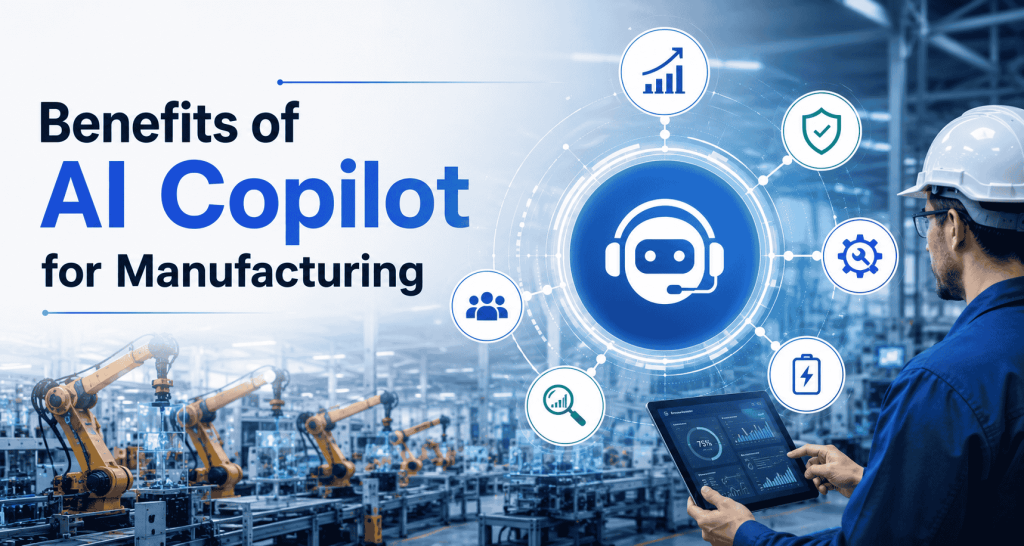
AI Copilot for Manufacturing serves as an intelligent operational assistant that helps plant operators, process engineers, and production teams make faster and more informed decisions. Some of its key capabilities include:
Manufacturing environments generate vast amounts of operational data every second, making it difficult for operators and engineers to identify critical insights in time. AI Copilot continuously analyzes real-time plant data, operational events, and process conditions to provide instant visibility into what is happening across the plant. By surfacing relevant insights, detecting emerging issues, and delivering contextual recommendations as situations evolve, it enables faster decision-making, quicker response to operational changes, and more effective plant management.
Energy costs account for a significant portion of operational expenses in process industries such as steel, cement, thermal power, aluminum, and zinc. AI Copilot continuously analyzes energy consumption patterns, process conditions, and equipment performance to identify inefficiencies and optimization opportunities. By providing real-time recommendations on process adjustments, operating parameters, and resource utilization, it helps reduce fuel, electricity, steam, and utility consumption while maintaining production targets, process stability, and product quality.
Unexpected equipment failures can lead to costly downtime, production losses, and increased maintenance expenses. AI Copilot continuously monitors equipment health by analyzing operational data, performance trends, sensor readings, and historical maintenance records to detect early signs of degradation or abnormal behavior. Predicting potential failures before they occur enables maintenance teams to plan interventions proactively, reduce downtime, extend asset life, and improve overall equipment reliability.
Maintaining consistent product quality is essential for reducing rework, scrap, and production losses. AI Copilot continuously analyzes process parameters, production conditions, quality data, and historical operating patterns to identify factors that may impact product quality. It helps operators detect potential quality deviations early, understand the root causes of defects, and receive recommendations on the corrective actions required to maintain product specifications. By providing real-time quality insights, practical AI capabilities, and decision support, AI Copilot helps improve process consistency, reduce defects, ensure high-quality production outcomes, and streamline safety inspections tied to quality and compliance workflows.
Manufacturing processes involve numerous interconnected variables that directly impact productivity, efficiency, quality, and costs. AI Copilot continuously analyzes process conditions, operating parameters, and production performance to identify inefficiencies, bottlenecks, and optimization opportunities. By providing real-time recommendations to operators and engineers, it helps improve process stability, increase throughput, reduce variability, minimize production losses, and ensure operational efficiency.
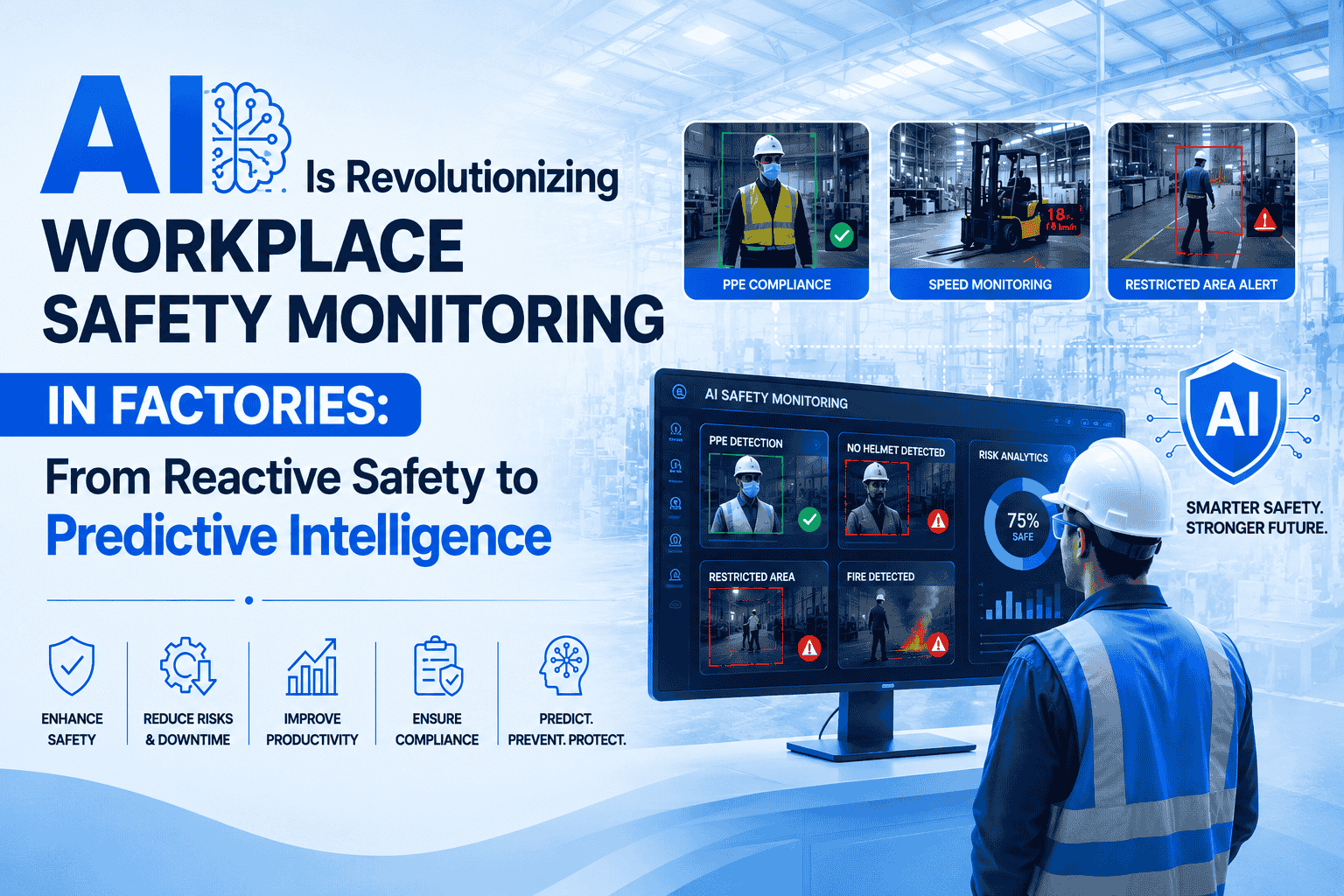
Safety is a critical priority in manufacturing environments where operational deviations and abnormal process conditions can lead to significant risks. AI Copilot continuously monitors plant operations and analyzes process data to identify potential safety concerns before they escalate into incidents. By providing early warnings, highlighting abnormal operating conditions, and recommending preventive actions, it helps operators respond proactively to risks, improve situational awareness, and maintain safer plant operations.
As manufacturing operations become increasingly complex, organizations are challenged to manage growing volumes of data across production, quality, maintenance, and supply chain systems. The real challenge is no longer collecting data, but transforming it into actionable insights that help teams respond faster, optimize processes, and make better decisions. AI Copilots address this challenge by bridging the gap between plant data and human decision-making, providing real-time intelligence, predictive insights, and contextual recommendations that enable more efficient and informed operations.
Importantly, AI Copilots are designed to augment human expertise, not replace it. While AI can analyze vast amounts of information, identify patterns, and recommend actions, operators, engineers, and plant managers remain in control of critical decisions. By combining human judgment with AI-driven intelligence, manufacturers can improve productivity, reduce downtime, enhance quality, and build more resilient operations. AI Copilot for Manufacturing is ultimately about empowering industrial teams to operate plants more safely, efficiently, and intelligently than ever before.
Insights and perspectives from Ripik.ai's thought leaders
Vision AI in blast furnace operations enables real-time monitoring to identify visual patterns, detect...
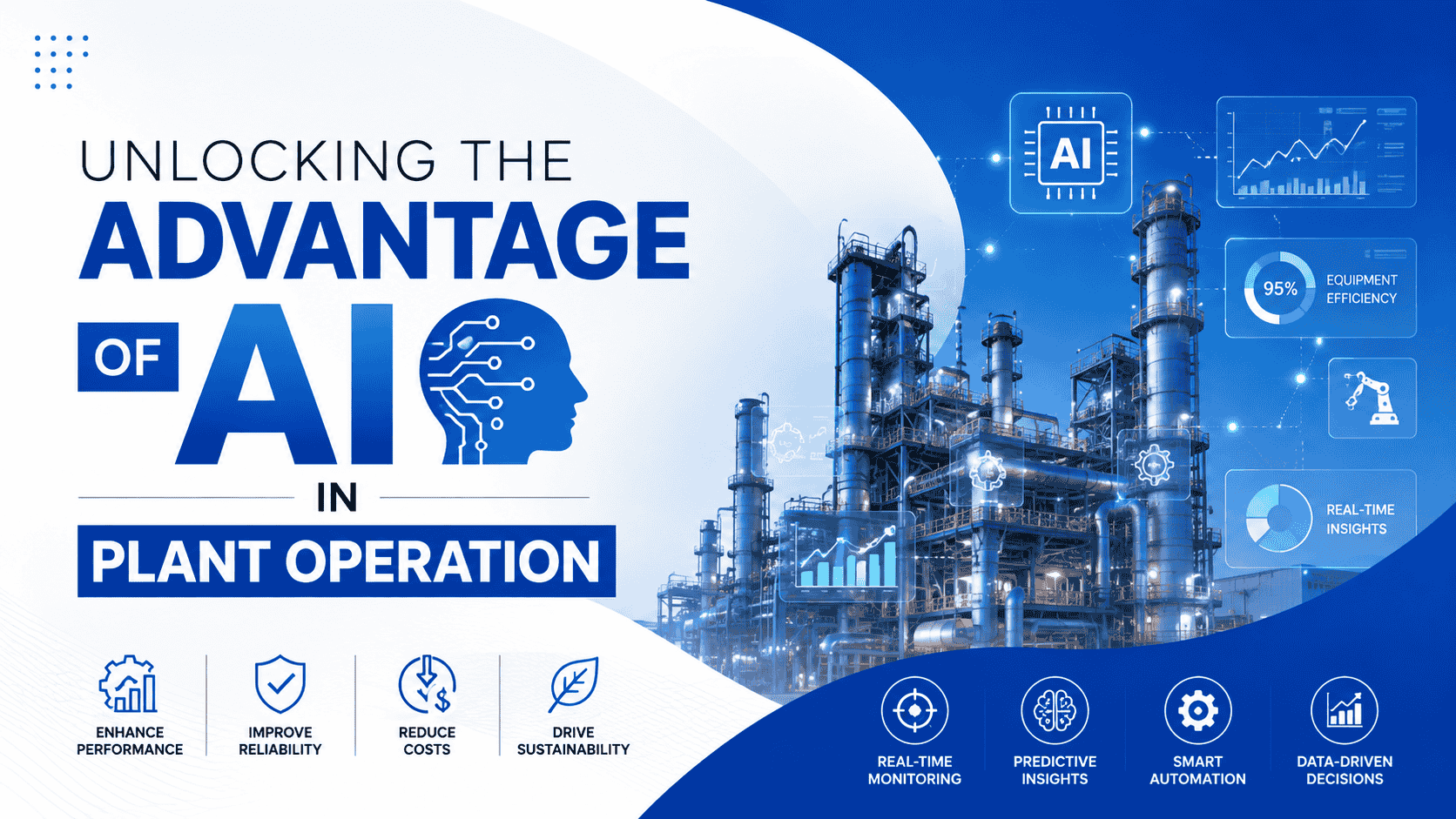
Discover practical strategies to enhance plant operations with AI, boosting efficiency and productivity....
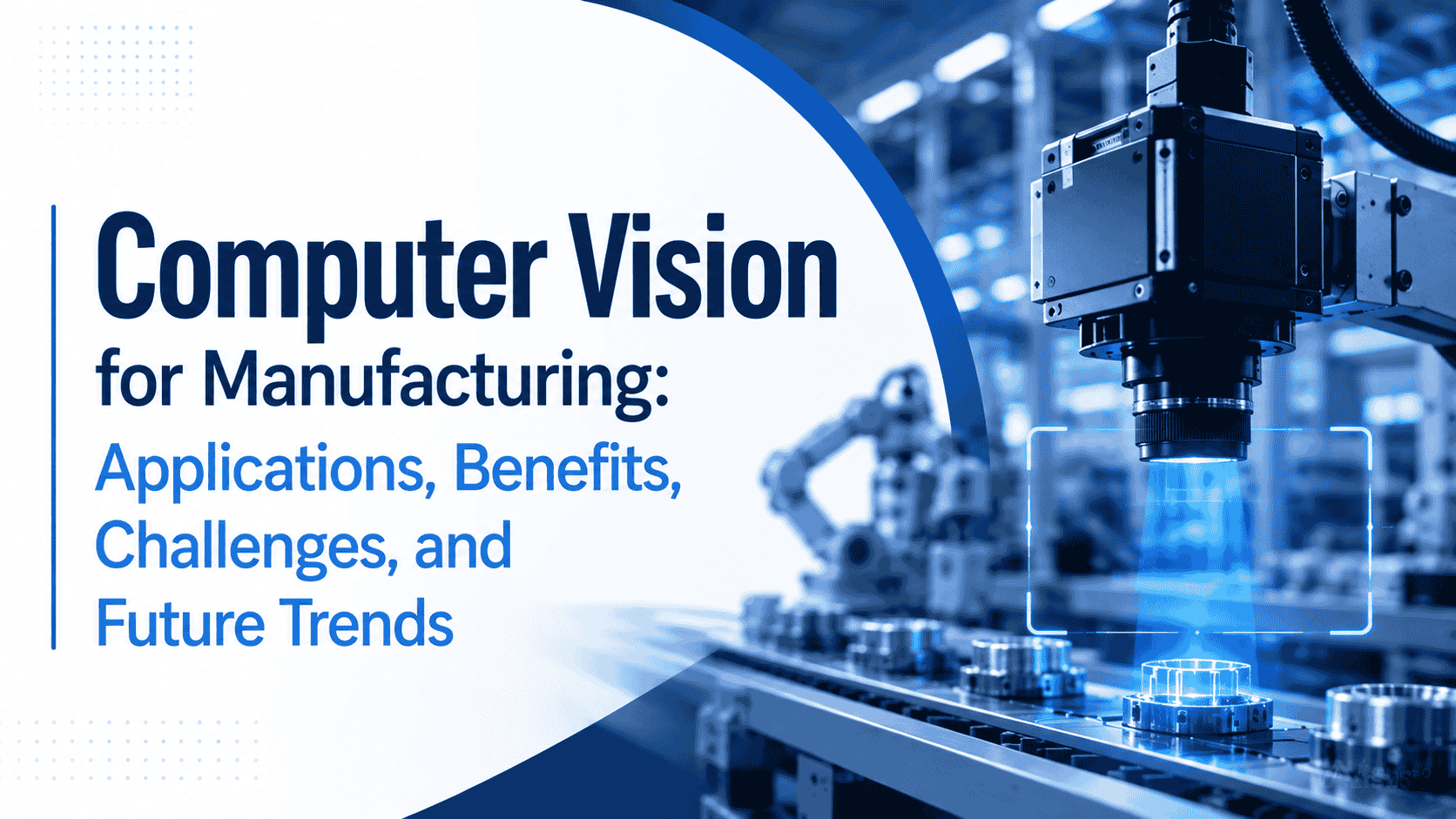
Computer Vision for Manufacturing: Applications and Benefits Introduction Manufacturers today face increasing...
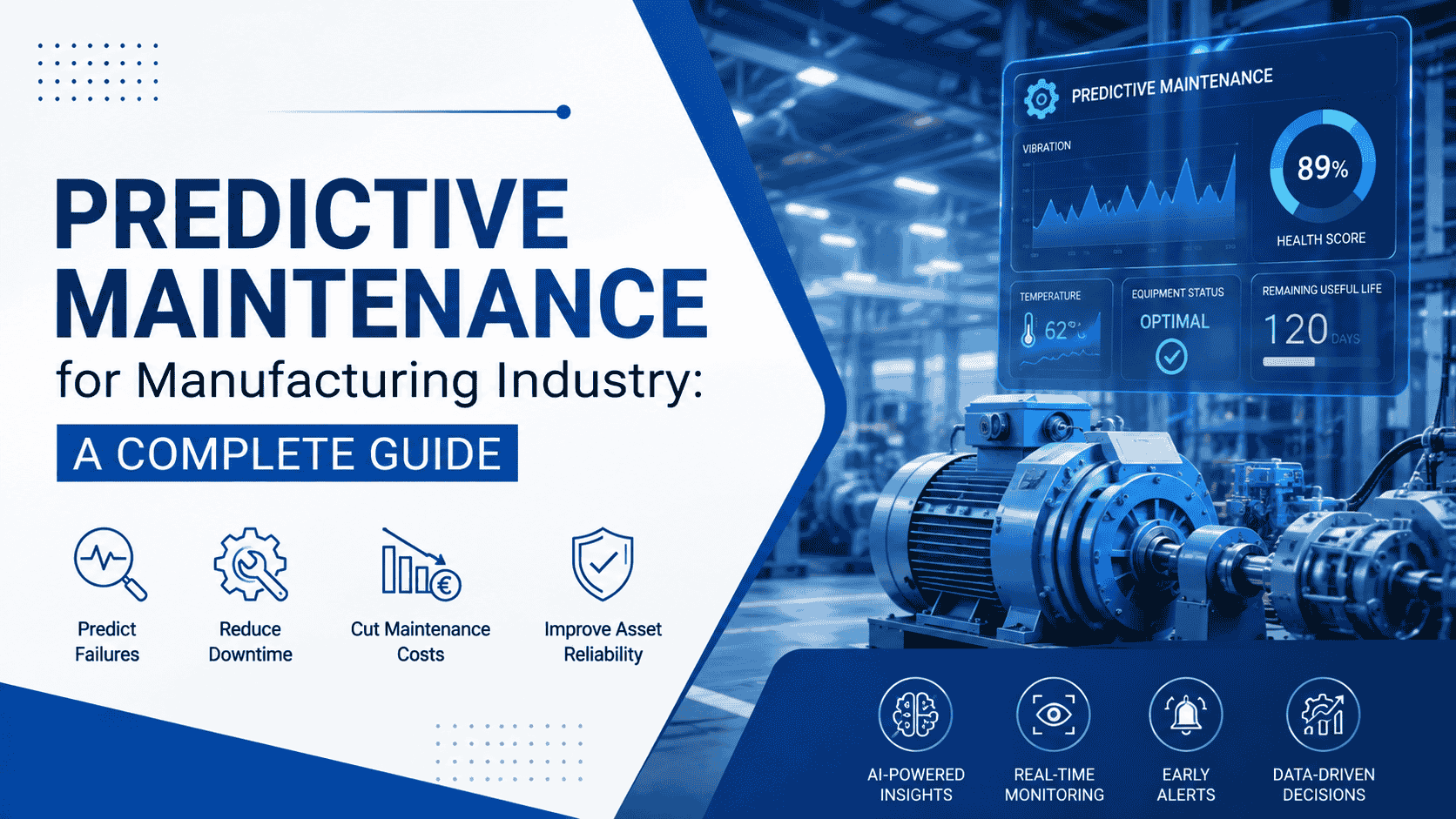
Predictive Maintenance in Manufacturing Industry: A Complete Guide Introduction Predictive maintenance...
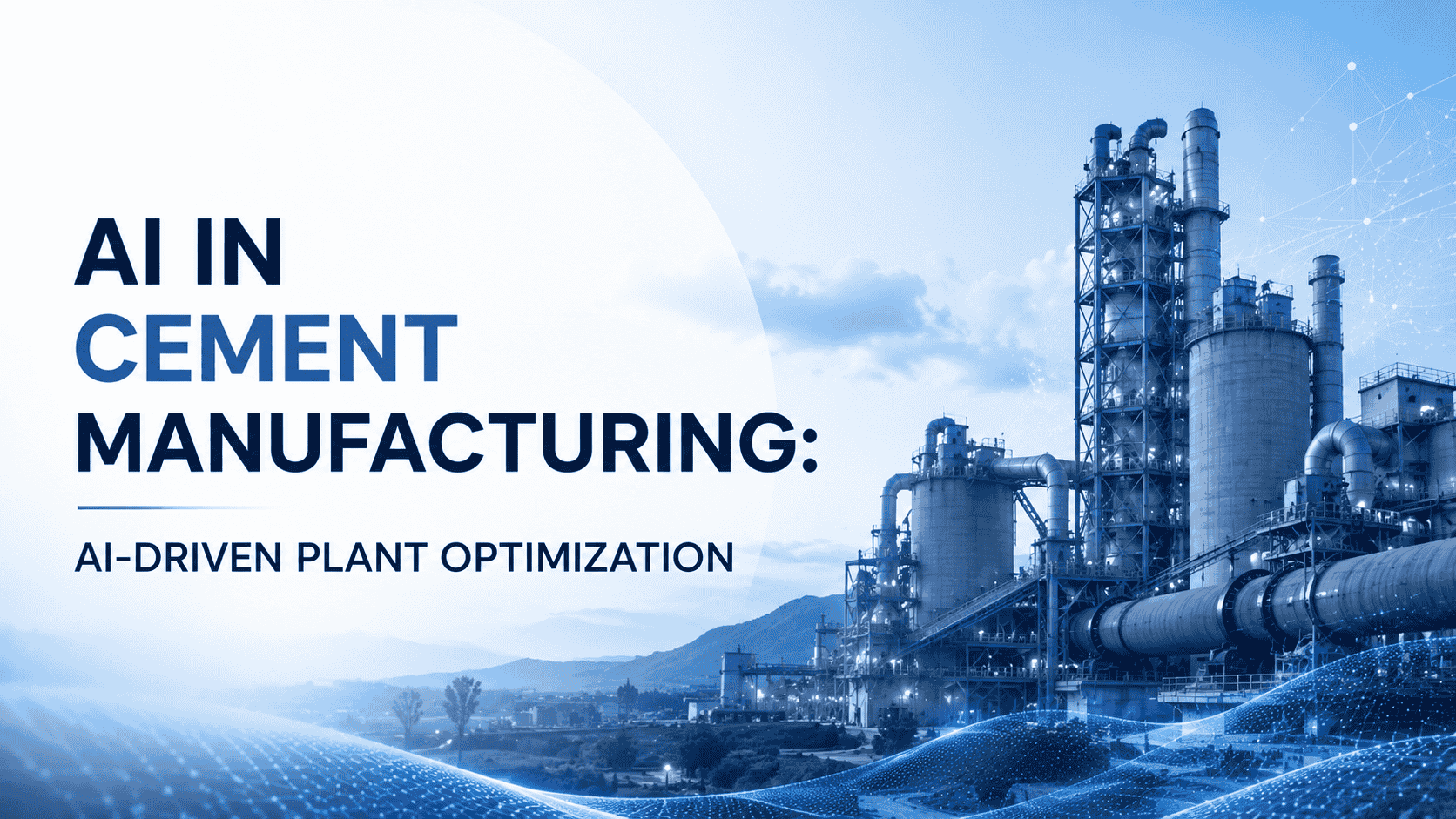
Discover how AI in cement manufacturing improves kiln optimization, energy efficiency, predictive maintenance,...
Vision AI unlocks the true value of this existing infrastructure by continuously analyzing live video...
A powerful suite of intelligent agents working in sync to transform manufacturing with speed, precision, and autonomy.