Zero Downtime, High Yield, AI-Driven Vision
In the steel manufacturing industry, coal moisture analysis means continuously measuring coal moisture content with Vision AI and infrared cameras so plants can monitor it in real time, improve combustion efficiency, and reduce fuel consumption. For operations managers, heads of manufacturing, plant engineers, and digital transformation leads in large and medium-sized process industries such as steel, cement, aluminum, power, and chemicals, the same moisture challenge extends to limestone and sinter, where improper levels can degrade material quality, increase emissions, accelerate equipment wear, and disrupt production efficiency.
Traditionally, moisture levels have been monitored using manual, intermittent methods. These techniques involve sampling materials a few times per day, leaving significant gaps in data. Standardized coal moisture analysis methods are also important for keeping measurements consistent and comparable across laboratories. Without continuous, real-time measurements, companies struggle to make timely adjustments, leading to suboptimal fuel consumption, increased emissions, more frequent equipment failures, and missed opportunities for process optimization and predictive maintenance. Coal moisture analysis also supports fair commercial transactions by valuing coal on dry weight. Advances in AI-enabled technology have changed this process by enabling 24/7 computer vision monitoring and real-time feedback, and this article looks at how AI-based moisture monitoring improves production efficiency, equipment performance, and sustainability across industrial operations.
When moisture in coal, limestone, or sinter is not effectively managed, the negative consequences can quickly compound. Each material is sensitive to moisture in its own way, but all share the potential for operational disruption.
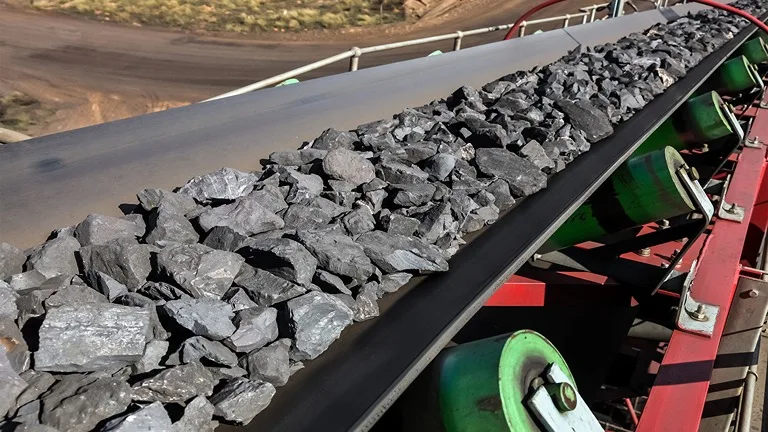
Excessive moisture in coal can severely reduce combustion efficiency. When moisture levels are high, more energy is required to evaporate the water before the coal can properly ignite. It also increases the coal’s weight without contributing any usable energy output. That extra water raises transport costs because it is dead weight moved with the fuel. This results in increased fuel consumption towards achieving the required energy levels, leading to not only higher costs but also an increase in harmful emissions, contributing to environmental strain.
Another consequence of improper coal and coke moisture measurement is the wear and tear it causes on industrial equipment. Moisture can cause materials to clump together, leading to blockages in machinery and increased friction. Over time, this results in higher maintenance costs and more frequent downtimes in the form of repairs and production halts, effectively increasing costs.
In industries using limestone and sinter, moisture affects the quality and consistency of the final product. When moisture levels are too high, the materials degrade, causing inconsistencies in the production process. This impacts the overall efficiency of the operation, resulting in substandard outputs that require reprocessing or scrapping. Inconsistent quality not only slows down production but also increases waste.
As industries look for more efficient ways to manage moisture in their raw materials, computer vision AI-enabled solutions have emerged as a momentous change. Vision AI with infrared (IR) cameras enable real-time monitoring of moisture content in coal with unparalleled precision. This approach eliminates the need for manual sampling and provides continuous insights into the moisture levels of coal, limestone, and sinter, enabling production teams to respond instantly to any issues that arise.
Vision AI platform incorporates advanced infrared cameras at critical points in the production chain, such as the Tippler point in coal processing. These cameras measure the infrared radiation emitted by the materials, which correlates directly with their moisture content. Surface moisture is water residing on the external surfaces and open pores of a coal sample, so the system can distinguish what appears on the outside of the sample during handling. AI algorithms help analyze this data in real time, providing highly accurate and continuous coal moisture measurements.
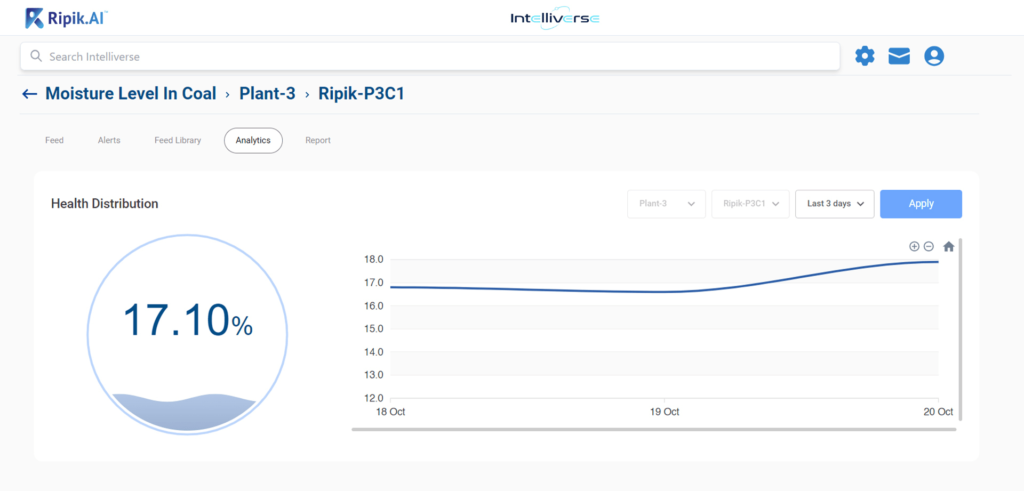
This technology replaces outdated methods of measuring moisture manually several times a day. With continuous monitoring, the Vision AI system can detect even small fluctuations in moisture levels, allowing for immediate, finer adjustments to maintain optimal conditions. In laboratory testing, inherent moisture is typically determined in a vacuum environment. For example, during coal unloading, the IR camera tracks moisture levels and temperature gradients, offering a live feed of the coal's condition as it is transferred into storage.
In addition to real-time monitoring, Vision AI can provide predictive insights. By analyzing trends in moisture data, the computer vision AI technology suite can predict when moisture levels are likely to exceed acceptable limits, allowing teams to take pre-emptive action. This not only prevents equipment damage but also enhances overall operational efficiency.
computer vision AI system is designed to send automatic alerts when moisture levels deviate from the desired range. Regardless of whether the moisture levels can be attributed to excess moisture in coal during combustion or limestone degrading due to water content, the computer vision-based AI tool can flag the problem instantly, allowing production teams to make immediate corrections.
AI-enabled coal moisture monitoring technology has practical applications across a wide range of industrial processes. Whether used in coal handling, limestone processing, or sinter production, this technology optimizes efficiency and reduces waste, making it a critical tool for maximizing production efficiency.
In coal processing, where combustion efficiency is paramount, AI-driven coal moisture detection ensures that coal is at the right moisture level for optimal burning; as coal undergoes heating, moisture yield increases, making accurate monitoring important for stable combustion control. The real-time insights reduce the need for excess fuel, cutting costs and lowering emissions, while limiting errors because exposure to air during handling or testing can influence measured coal properties. In industries steel manufacturing, this translates into significant energy savings and a reduced environmental impact.
For industries that rely on limestone and sinter, AI-driven moisture monitoring ensures consistent quality throughout production. Excess moisture can cause these materials to deteriorate, compromising their integrity and usability. Monitoring moisture levels continuously helps ensure that limestone and sinter maintain their quality from the moment they enter the production line to the final product. This reduces material waste, increases output, and ensures a higher-quality end product.
Continuous moisture monitoring ensures that materials are always at optimal moisture levels, reducing material degradation and improving overall operational efficiency. By integrating vision AI into the production cycle, companies can maximize output while minimizing waste, leading to more sustainable and cost-effective operations.
The introduction of AI-enabled moisture control technology has far-reaching benefits for industries reliant on coal, limestone, and sinter. From cost savings to improved sustainability, the advantages are clear.
One of the most immediate benefits is cost reduction. Optimizing the moisture levels in coal and other raw materials can reduce production costs by up to 10%. This is achieved through improved combustion efficiency, reduced fuel consumption, and less material waste. Better coal moisture analysis also helps determine usable energy content more accurately, avoiding payment and processing based on water mass rather than fuel value. Lower moisture also improves power generation economics by helping plants get more output from the same fuel input.
AI-enabled moisture monitoring also plays a key role in improving sustainability. By reducing emissions by as much as 15%, this technology helps industries meet environmental regulations while minimizing their carbon footprint. AI enabled manufacturing is the next step towards achieving production goals while contributing to broader sustainability initiatives.
Real-time monitoring of moisture levels prevents equipment malfunctions, which are often caused by excess moisture in raw materials. It also helps reduce material buildup issues linked to ash behavior during combustion. Production lines can run more smoothly with fewer equipment breakdowns and less downtime, leading to higher overall efficiency. More stable feed conditions also help preserve consistent ash content in downstream operations. This minimizes the need for untimely repairs and reduces downtime, both of which can eventually be costly.
As industries continue to seek ways to enhance production efficiency and sustainability, Vision AI-enabled moisture monitoring represents a significant leap forward. At Ripik.AI, our innovative computer vision-based solution offers continuous, real-time insights into the moisture content of coal, limestone, and sinter, enabling companies to optimize their operations, reduce waste, and lower costs. Modern coal moisture analysis is often considered alongside other quality indicators such as volatile matter and fixed carbon. These measurements also help classify low rank coals and high rank coals by heating value and overall fuel behavior.
By leveraging the power of AI, companies can revolutionize their production processes, unlocking new levels of efficiency and sustainability. Explore our manufacturing solutions today and take the first step toward a more efficient, sustainable future.
Insights and perspectives from Ripik.ai's thought leaders
Computer Vision for Manufacturing: Applications and Benefits Introduction Manufacturers today face increasing...
Predictive Maintenance in Manufacturing Industry: A Complete Guide Introduction Predictive maintenance...
Discover how AI in cement manufacturing improves kiln optimization, energy efficiency, predictive maintenance,...
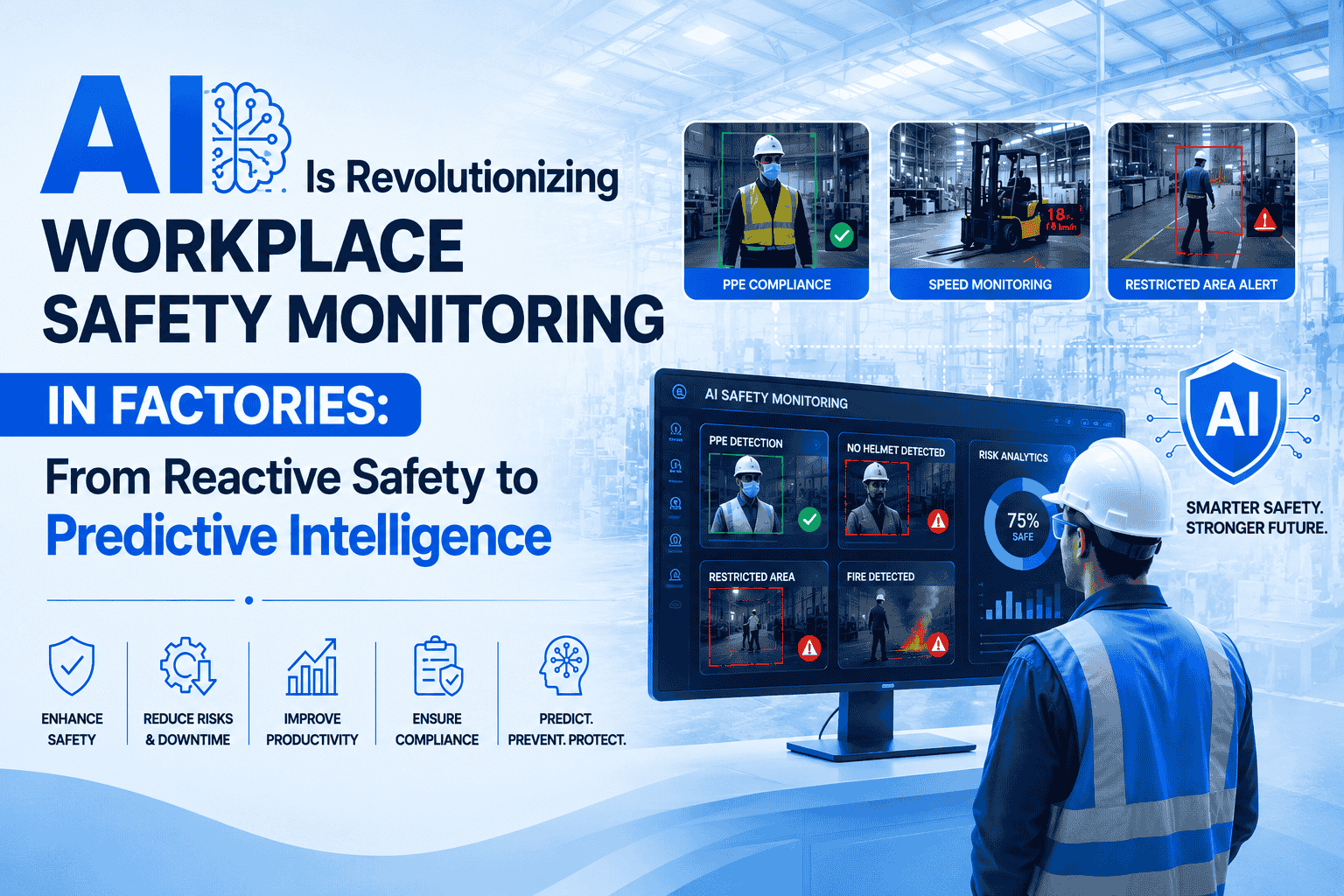
Vision AI unlocks the true value of this existing infrastructure by continuously analyzing live video...
AI Copilot for Manufacturing seamlessly integrates with your existing industrial systems, understands...
Fire and smoke incidents in the Raw Material Handling System (RMHS) represent a significant operational...
A powerful suite of intelligent agents working in sync to transform manufacturing with speed, precision, and autonomy.